⏩ CATHOLIC CARTRIDGE – A series to learn, revive, love and be faithful…to our Catholic Faith!

❇️ WHAT IS IT?

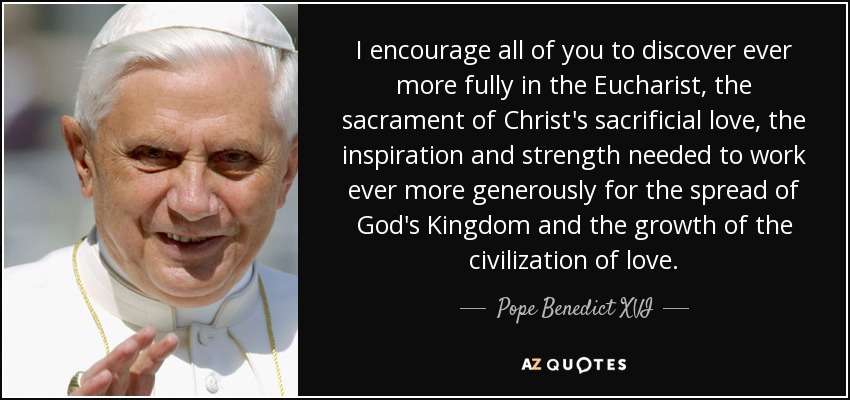
THE HOLY MASS stands at the heart of Catholic worship, representing the re-presentation of Christ’s sacrifice on the Cross and offering believers an intimate encounter with the divine.

It is a sacred and communal act of worship where the faithful gather to offer praise, thanksgiving, and participate in the Paschal Mystery.

As St. John Paul II expressed, “The Eucharist is the source and summit of the Christian life.

The other sacraments, and indeed all ecclesiastical ministries and works of the apostolate, are bound up with the Eucharist and are oriented toward it.”

Archbishop Fulton Sheen beautifully says, “the greatest Love Story of the entire world is found in the Tiny White Host!”

🌀 HISTORY

💡 Institution by Christ: The Holy Mass finds its roots in the Last Supper, where Jesus instituted the Eucharist, commanding His disciples to “do this in memory of me” (Luke 22:19).

The institution of the Eucharist at the Last Supper is explicitly described in the Gospels, emphasizing its Divine origin (Matthew 26:26-28, Mark 14:22-24, Luke 22:19-20).

💡 Early Christian Worship: The early Christians continued the practice of gathering for the breaking of the bread, as seen in Acts 2:42-46, reflecting the essential role of the Mass in their worship.

💡 Development of the Liturgy: Over centuries, guided by the Holy Spirit, the Church developed the Liturgical structure of the Mass, incorporating prayers, rituals, and readings.

💡 Councils and Liturgical Reforms: Church councils, such as the Council of Trent, played a vital role in articulating the Church’s teachings on the Mass, and the Second Vatican Council brought about Liturgical reforms that emphasized active participation of the laity.

📜 LEARN FROM SAINTS & TEACHINGS

St. Justin Martyr: “No one may share the Eucharist with us unless he believes that what we teach is true, unless he is washed in the regenerating waters of baptism for the remission of his sins, and unless he lives in accordance with the principles given us by Christ.”

St. John Chrysostom: “When we have been to Holy Communion, the balm of love envelops the soul as the flower envelops the bee.”

St. Teresa of Calcutta: “If we really understand the Eucharist; if we really participate in Mass, we would offer our lives in sacrifice with Jesus on the Cross.”

St. Padre Pio: “It would be easier for the world to survive without the sun than to do without Holy Mass.”

St. Pope John Paul II: “The Eucharist is the secret of my day. It gives strength and meaning to all my activities of service to the Church and to the whole world.”

St. Augustine: “Christ is both the Priest, offering Himself, and Himself the Victim. He willed that the sacramental sign of this should be the daily Sacrifice of the Church.”

🙏🏻 SPIRITUAL SIGNIFICANCE

🔷 Real Presence of Christ: The Holy Mass is the moment when, through Transubstantiation, the bread and wine become the Body and Blood of Christ – making alive, His Real Presence among the faithful.

🔷 Paschal Mystery: By participating in the Mass, believers enter into the Paschal Mystery—Christ’s Passion, Death, and Resurrection—making present the salvific work of Jesus.

🔷 Communal Worship: The Mass is a communal act of worship where the Church, both on earth and in heaven, unites in praising and offering gratitude to God.

🔷 Sacrament of Unity: The Eucharist is a powerful symbol of unity, bringing together the diverse members of the Church into one body, the Body of Christ.

🔷 Historical Consistency: The consistency of the Mass throughout the Church’s history, despite cultural and linguistic differences, underscores its divine origin.

🔷 Source of Grace: Through the Mass, believers receive Sacramental Grace, nourishing their souls and empowering them to live according to Christ’s teachings.

🔷 Heaven on Earth: The Holy Mass is described as “Heaven on Earth,” where heaven and earth meet in a mystical union, and believers have a foretaste of the heavenly banquet.

🌐 PRACTICAL TIPS

💠 Active Participation: Engage actively in the Mass by understanding the Liturgical elements, following the prayers, and participating in hymns and responses.

💠 Regular Attendance: Make attending Mass a priority, recognizing it as a central act of worship and a source of spiritual nourishment.

💠 Eucharistic Adoration: Complement Mass attendance with moments of Eucharistic Adoration, deepening your personal connection with the Real Presence.

💠 Receive the Eucharist Worthily: Approach the Holy Communion with a disposition of humility, repentance, and love, recognizing the profound encounter with Christ.

💠 Share the Faith: Share the beauty and significance of the Mass with others, helping them understand its transformative power and spiritual richness.

May The Holy Mass be a profound encounter with the divine, drawing believers into the mystery of Christ’s love and sacrifice.

❇️ Keep the faith!
✅ Live in love!
✳️ Deepen your hope!

God Bless! Live Jesus!

  • Fr Jijo Jose Manjackal MSFS
    Bengaluru, India
    reflectioncapsules@gmail.com
⏩ CATHOLIC CARTRIDGE – A series to learn, revive, love, and be faithful…to our Catholic Faith!

❇️ WHAT IS IT?

THE LITURGICAL CALENDAR is a sacred Catholic practice that organizes the Church’s worship and commemorates key events in the life of Christ, providing a framework for spiritual growth and communal unity.

It invites believers to participate actively in the mysteries of salvation throughout the liturgical year.

Pope Francis tells us, “the Liturgical Calendar is a catechetical tool par excellence. It teaches us to live in communion with the Church, to contemplate Jesus, and to follow him.”

🌀 HISTORY

💡 Biblical Roots: Rooted in Biblical events, the Liturgical Calendar reflects the divine plan of salvation, beginning with Advent as a preparation for the birth of Christ and culminating in the celebration of Christ the King.

💡 Apostolic Tradition: The early Christians, inspired by the Holy Apostles, developed the Liturgical Calendar to guide the rhythm of worship, emphasizing the centrality of Christ in the life of the Church.

💡 Development of Liturgical Seasons: The Liturgical Calendar has evolved with distinct liturgical seasons, fostering a deepened understanding of the mysteries of faith.

In the Church, there are six Liturgical seasons:

  1. Advent: Prepares hearts for God’s ‘incarnational’ presence in our lives.
  2. Christmas: Celebrates God’s intervention and deepens our understanding of Emmanuel—God with us.
  3. Lent: Focuses on repentance and confronting the reality of sin, and the Mercy of God
  4. Holy Triduum: Centres on the Passion, Death, and Resurrection of our Blessed Lord.
  5. Easter: Highlights God’s mighty power through Resurrection and the promise of new life with the coming of the Holy Spirit
  6. Ordinary Time: Encourages reflection on Jesus’ daily life and teachings for practical insights.

💡 Feast Days and Solemnities: The inclusion of feast days and solemnities, honouring saints and significant events, enriches the spiritual journey, fostering devotion and unity among believers.

💡 Second Vatican Council: The Council affirmed the significance of the Liturgical Calendar, encouraging active participation in the Liturgy as a means of encountering the living Christ.

📜 LEARN FROM SAINTS & TEACHINGS

🔶 St. Augustine: “The Church celebrates the mystery of its Lord throughout the course of the year. This mystery embraces the birth, the Passion, the Resurrection, and Ascension of Christ.”

🔶 St. Thomas Aquinas: “The celebration of feasts is a profession of the Christian faith, which teaches the great mysteries of Christ.”

🙏🏻 SPIRITUAL SIGNIFICANCE

🔷 Faith Formation: The Liturgical Calendar serves as a structured curriculum for the faithful, guiding them through the essential doctrines and mysteries of the Christian faith.

🔷 Communal Unity: By following the Liturgical Calendar, the Church collectively enters into the sacred mysteries…
… fostering a sense of unity and shared spiritual journey among believers worldwide.

🔷 Living the Gospel: Each Liturgical season invites believers to immerse themselves in the Gospel message, providing opportunities for personal and communal conversion.

🔷 Mystical Participation: The Liturgical Calendar allows believers to mystically participate in the redemptive events of Christ’s life, fostering a deeper connection with the divine.

🔷 Sacramental Grace: Liturgical seasons and celebrations are accompanied by specific graces, enriching the sacramental life of the Church and aiding in the sanctification of the faithful.

🔷 Lectionary: The Church’s Liturgical Calendar includes a Lectionary – a curated selection of Scripture readings for each liturgical season and occasion.

The Sunday readings are arranged into 3 Cycles: Cycle A (with most readings taken from St Mathew), Cycle B (with most readings taken from St Mark) and Cycle C (with most readings taken from St Luke). The Easter Season primarily has readings from St John.
The weekday readings are classified as Year 1 (for odd years: Eg 2023, 2025) and Year 2 (for even years: Eg 2024, 2026)

This arrangement ensures that as a People of God, we complete reading the entire Bible (major portions) over a three year period.

🌐 PRACTICAL TIPS

💠 Active Participation: Actively engage in liturgical celebrations and follow the Liturgical Calendar to deepen your understanding of the faith.

💠 Educate and Share: Educate fellow Catholics about the spiritual richness of the Liturgical Calendar, emphasizing its role in nurturing faith and unity.

💠 Liturgical Devotions: Incorporate Liturgical devotions into your personal prayer life, aligning your spiritual journey with the rhythms of the Church.

💠 Celebrate Feast Days: Embrace the celebration of feast days and solemnities, recognizing them as opportunities for joy, devotion, and communal worship.

💠 Seasonal Reflection: Use each Liturgical season as a time for spiritual reflection, allowing the themes of the season to guide your personal and communal prayer.

May The Liturgical Calendar be a source of spiritual nourishment and communal unity, guiding us to live the Catholic faith with deeper conviction and commitment.

❇️ Keep the faith!
✅ Live in love!
✳️ Deepen your hope!

God Bless! Live Jesus!

  • Fr Jijo Jose Manjackal MSFS
    Bengaluru, India
    reflectioncapsules@gmail.com
⏩ CATHOLIC CARTRIDGE – A series to learn, revive, love and be faithful…to our Catholic Faith!

❇️ WHAT IS IT?

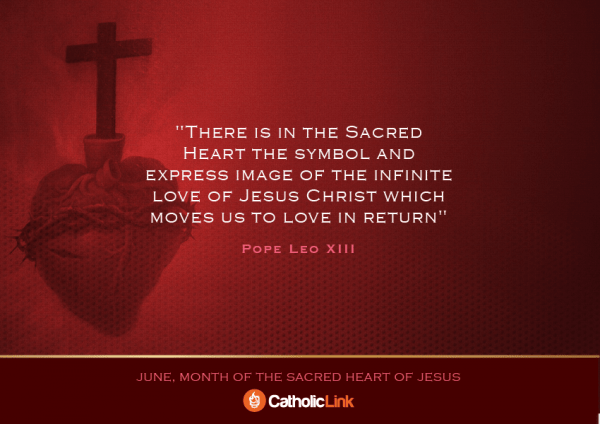
DEVOTION TO THE SACRED HEART OF JESUS is a cherished Catholic practice that centres on adoring and expressing love for the Compassionate Heart of Jesus Christ.

It invites the faithful to contemplate and embrace the Sacred Heart, pierced and aflame with Divine Love.

🌀 HISTORY

💡 Scriptural Foundation: This devotion finds its roots in scriptural themes of God’s love and compassion, symbolized by the heart as a center of love.

It is especially witnessed as described in Jn 19:34: “But one of the soldiers pierced his side with a spear, and at once there came out blood and water.”
This event symbolizes the sacrificial love of Jesus, with the blood and water representing the sacraments of the Eucharist and Baptism…
… emphasizing the spiritual nourishment and cleansing provided by Christ’s sacrifice.

💡 Revelations to Saint Margaret Mary: In the 17th century, Jesus revealed His Sacred Heart to St Margaret Mary Alacoque, conveying His burning love for humanity.

These revelations call for personal devotion, reparation, and receiving Holy Communion on the first Fridays.

💡 Fathers of the Church: Early Church Fathers, such as St Augustine and St John Chrysostom, contributed to the understanding of Christ’s Sacred Heart as a symbol of Divine Love and Mercy.

💡 St Francis de Sales: Known as the ‘Doctor of Love,’ St Francis de Sales, fostered devotion by his spiritual writings, which emphasized love, humility, and union with Christ’s Sacred Heart.

St Francis de Sales is the founder of the Visitation Order, the congregation to which St Margaret Mary Alacoque belonged.

💡 St Claude de la Colombière: A Jesuit priest, confessor to Saint Margaret Mary, and saintly advocate for the devotion to the Sacred Heart…
… Saint Claude de la Colombière played a crucial role in spreading awareness of these revelations.

💡 Popes and Formal Recognition: Popes, including Pope St Pius IX, Pope St Leo XIII and Pope St John Paul II played significant roles in recognizing and promoting this devotion.

Pope St Leo XIII consecrated the entire world to the Sacred Heart in 1899.

💡 Liturgical Celebration: The Solemnity of the Sacred Heart is celebrated on the Friday following the second Sunday after Pentecost, providing a liturgical expression of this devotion.

🙏🏻SPIRITUAL SIGNIFICANCE

🔷 Symbol of Love: The Sacred Heart symbolizes Jesus’ immense and unconditional love for humanity

🔷 Call to Reparation: Jesus’ revelations emphasized a call to make amends (reparation) for the indifference and offenses against His Sacred Heart.

🔷 First Fridays Devotion: This practice involves receiving Holy Communion on the first Fridays of nine consecutive months, a sign of love and reparation.

🔷 Consecration: Consecrating oneself, family, and the world to the Sacred Heart is a significant aspect of this devotion.

🔷 Sacramental Life: Followers of Christ are encouraged to participate in the sacraments, especially Holy Communion,_ as a means of growing in love and holiness.

🔷 Source of Strength: In times of trials, challenges, and uncertainties, devotion to the Sacred Heart becomes a source of spiritual strength and refuge.

🔷 Transformative Love: Embracing the Sacred Heart’s love inspires a transformative journey of becoming vessels of love, compassion, and mercy in the world.

🌐 PRACTICAL TIPS

💠 Daily Offering: Begin each day with a simple prayer, offering it to the Sacred Heart and seeking His guidance and protection.

💠 First Fridays Devotion: Commit to the First Fridays Devotion, fostering a consistent practice of receiving Holy Communion and contemplating the Sacred Heart’s love.

💠 Consecration Prayer: Personally or as a family, make the Act of Consecration to the Sacred Heart, dedicating your lives to Christ’s transformative love.

💠 Image of Sacred Heart: Encouraging the practice of having an image or representation of the Sacred Heart in homes…
… fosters an environment of love, mercy, and devotion.

Families can gather for prayers and reflections, acknowledging Christ’s presence and love in their midst.

May Devotion to the Sacred Heart be a journey of profound love and transformation, drawing us closer to the Compassionate Heart of Jesus.

❇️ Keep the faith!
✅ Live in love!
✳️ Deepen your hope!

God Bless! Live Jesus!

  • Fr Jijo Jose Manjackal MSFS
    Bengaluru, India
    reflectioncapsules@gmail.com

⏩ CATHOLIC CARTRIDGE – A series to learn, revive, love, and be faithful… to our Catholic Faith!

❇️ WHAT IS IT?
The Liturgy of the Hours, or Divine Office, is a sacred rhythm of daily prayer in the Catholic Church.

It comprises of Psalms, Hymns, and Readings..
… fostering a sense of unity, knowing that you are joining a vast chorus of believers, lifting their hearts to God.

The Liturgy of the Hours consists of several “hours,” prayed at different times

Lauds (Morning Prayer): Praising God at the start of the day.
Sext (Midday Prayer): Offering gratitude and seeking guidance in the middle of the day.
Vespers (Evening Prayer): Thanking God for the day and seeking His mercy.
Compline (Night Prayer): Surrendering the night to God’s protection.
Matins (Office of Readings): A reflective prayer, often including scripture readings, suitable for any time.

The Liturgy of the Hours is not confined to clergy or religious…
… it’s a gift for all the faithful
… offering a structured, yet accessible way to sanctify daily life

🌀 HISTORY
Roots in Tradition: The Liturgy of the Hours – influenced by the Jewish practice of praying at specific times – has been part of the Church’s prayer life since early Christian times.

Monastic Influence: Monastic communities – especially the Benedictines, the Cistercians, the Carthusians, the Dominicans and the Franciscans – played a vital role in shaping and promoting this prayer tradition.

Accessible to All: The Second Vatican Council’s reforms made the Liturgy of the Hours, more accessible, inviting the laity to partake in this spiritual treasure.

🙏🏻 SPIRITUAL SIGNIFICANCE
Daily Connection: The Liturgy of the Hours establishes a daily connection with God, fostering spiritual unity among believers.

Biblical Engagement: Rooted in Scripture, it offers a systematic journey through the Bible, enriching one’s understanding of divine revelation.

Communal or Individual: It can be prayed individually or in groups, fostering communal prayer experiences. Parishes, religious communities, and individuals contribute to the universal chorus of prayer.

Flexible Frequency: While the clergy are to commit to the full cycle, laypeople can adapt and choose specific hours that align with their daily routine. Even reciting one or a few “hours” can enrich spiritual life.

🌐 PRACTICAL TIPS
Consistent Routine: Incorporate the Liturgy of the Hours into daily life, creating a rhythm that aligns with the Church’s universal prayer.

Reflective Pause: Take moments between psalms and readings for silent reflection, allowing the divine words to resonate.

Universal Participation: Acknowledge that by praying the Liturgy of the Hours, you actively join the Church in its ceaseless worship.

May the Liturgy of the Hours become a sacred melody, enhancing our spiritual journey through the day.

❇️ Keep the faith!
✅ Live in love!
✳️ Deepen your hope!

God Bless! Live Jesus!

  • Fr Jijo Jose Manjackal MSFS
    Bengaluru, India
    📧 _reflectioncapsules@gmail.com
St John Paull II Address at St Patrick’s Cathedral, October 3, 1979