โฉ CATHOLIC CARTRIDGE – A series to learn, revive, love and be faithfulโ€ฆto our Catholic Faith!

โ‡๏ธ WHAT IS IT?

The Sabbath Rest is a sacred time set aside by God for rest, reflection, and worship, observed weekly by Catholics and rooted in the commandments of God.

๐ŸŒ€ HISTORY & IMPORTANCE

๐Ÿ’ก Jewish Sabbath Rule: The Sabbath observance, originally rooted in Jewish tradition, was Christianized following Christ’s Resurrection.

Early Christians shifted their day of worship to Sunday, known as the Lord’s Day, to commemorate Christ’s victory over death and the new creation.

๐Ÿ’ก Early Church Sabbath Practices: The Acts of the Apostles (Acts 20:7, 1 Cor 16:2) record the early Church’s practice of gathering for worship and the breaking of breadโ€ฆ
โ€ฆ on the first day of the week, Sunday, in honor of Christ’s resurrection.

๐Ÿ’ก Tradition of the Church: The Catholic Church upholds the sanctity of the Sabbath, emphasizing its role in spiritual rejuvenation and communion with God.

๐Ÿ’ก Liturgical Celebration: The Lord’s Day, Sunday, is the primary day of the Sabbath for Catholics, commemorating Christ’s resurrection and serving as a weekly reminder of our redemption.

๐Ÿ’ก Purpose and Intent: The Sabbath Rest is not merely a cessation of work but a sacred time to renew our spiritual energy, deepen our relationship with God, and find rest in His presence amidst life’s busyness.

๐Ÿ“œ LEARN FROM SAINTS & CHURCH TEACHINGS

๐Ÿ”ถ Pope St John Paul II: “The Sabbath Rest is a gift of God that allows us to pause from our daily activities and focus on the divine.”

๐Ÿ”ถ Catechism of the Catholic Church (CCC): “Remembering the Sabbath day and keeping it holy is a commandment that invites us to rest in God’s love and worship Him with reverence.” (CCC 2173)

๐Ÿ”ถ Vatican Council II: “The Lord’s Day is the principle day for the celebration of the Eucharist in the universal Church.” (Sacrosanctum Concilium, 106)

๐Ÿ”ถ Canon Law: “Sunday, on which by apostolic tradition the paschal mystery is celebrated, must be observed in the universal Church as the primordial holy day of obligation.” (Canon 1246)

๐Ÿ™๐Ÿป SPIRITUAL SIGNIFICANCE

๐Ÿ”ท Restoration of Body and Soul: The Sabbath Rest allows us to recharge physically and spiritually, nurturing our well-being and inner peace.

๐Ÿ”ท Communion with God: Through prayer, reflection, and participation in the Eucharist, the Sabbath becomes a time of intimate communion with God, strengthening our faith and love.

๐Ÿ”ท Family and Community Bonding: The Sabbath encourages quality time with family and participation in community worship, fostering unity and mutual support.

๐Ÿ”ท Holiness and Sanctification: By honouring the Sabbath, we embrace holiness and sanctification, and live in accordance with God’s Will and Purpose.

๐Ÿ”ท Counter-cultural Witness: In a world obsessed with constant activity and productivity, observing the Sabbath Rest becomes a counter-cultural witness to the importance of spiritual nourishment and balance.

๐Ÿ”ท Sacred Time for Reflection: The Sabbath offers a designated time for spiritual reflection, discernment, and growth, guiding us on the path of virtue and discipleship.

๐ŸŒ PRACTICAL TIPS

๐Ÿ’  Attend Holy Mass: Make it a priority to meaningfully participate in the Holy Mass on Sundays, receiving the Eucharist with reverence and gratitude.

๐Ÿ’  Set aside quiet time: Dedicate part of the Sabbath for personal prayer, Scripture reading, and spiritual exercises to deepen your relationship with God.

๐Ÿ’  Engage in family activities: Plan meaningful activities with family members, such as sharing meals, praying together, and discussing faith-related topics.

๐Ÿ’  Avoid work-related activities: Refrain from unnecessary work or commitments that can encroach upon the Sabbath, allowing yourself and others the gift of rest and worship.

๐Ÿ’  Practice acts of Charity: Use the Sabbath to engage in acts of charity and kindness, extending God’s love and mercy to those in need.

๐Ÿ’  Reflect on gratitude: Take moments to reflect on God’s blessings and express gratitude for His goodness and providence in your life.

๐Ÿ’  Cultivate Sabbath Rest throughout the Week: Incorporate elements of Sabbath rest, such as moments of silence, prayer breaks, and spiritual readings, into your daily routine to maintain spiritual balance.

๐Ÿ’  SABBATH – a means to overcome modern challenges

โ™ฆ๏ธ Distractions of Technology: Limit screen time, engage in digital detox practices, and designate tech-free zones during the Sabbath to foster deeper spiritual engagement.

โ™ฆ๏ธ Secular Pressures: Resist cultural norms that devalue the Sabbath by educating others about its significance, promoting Sunday observance, and setting personal boundaries.

โ™ฆ๏ธ Work-Life Balance: Advocate for policies that respect employees’ need for Sabbath rest, negotiate flexible schedules, and prioritize spiritual well-being alongside professional responsibilities.

โ™ฆ๏ธ Consumerism and Materialism: Embrace simplicity and redirect focus from material possessions to spiritual enrichment and acts of generosity.

โ™ฆ๏ธ Family Dynamics: Foster open communication within families, prioritize shared spiritual activities, and create traditions that reinforce the sacredness of the Sabbath.

May the observance of the Sabbath Rest be a source of spiritual renewal and a reminder of God’s constant presence in our lives.

โ‡๏ธ Keep the faith!
โœ… Live in love!
โœณ๏ธ Deepen your hope!

God Bless! Live Jesus!

  • Fr Jijo Jose Manjackal MSFS
    Bengaluru, India
    reflectioncapsules@gmail.com

โฉ CATHOLIC CARTRIDGE – A series to learn, revive, love and be faithfulโ€ฆto our Catholic Faith!

โ‡๏ธ WHAT ARE THEY?

THE SEVEN GIFTS OF THE HOLY SPIRIT are special graces bestowed upon believers to empower them for a life of faith and service.

These gifts are:

๐Ÿ”ถ Wisdom: The ability to discern and choose what is true, good, and in accordance with God’s will.

๐Ÿ”ถ Understanding: The capacity to grasp the deeper meaning of faith and divine mysteries.

๐Ÿ”ถ Counsel (Right Judgment): The gift of prudence, enabling individuals to make wise decisions guided by the Holy Spirit.

๐Ÿ”ถ Fortitude (Courage): Strength of character to endure trials and difficulties with courage and perseverance.

๐Ÿ”ถ Knowledge: The gift of insight into the truths of faith and the mysteries of God’s creation.

๐Ÿ”ถ Piety (Reverence): A deep sense of reverence and devotion towards God and others.

๐Ÿ”ถ Fear of the Lord (Wonder and Awe): A reverent fear of offending God and a profound sense of wonder and awe in His presence.

๐ŸŒ€ HISTORY & IMPORTANCE

๐Ÿ’ก Scriptural Foundation: The seven gifts of the Holy Spirit are outlined in Isaiah 11:2-3, where they are described as the qualities possessed by the Messiah. They are also referenced in the New Testament, particularly in the writings of St. Paul.

๐Ÿ’ก Development in Tradition: The Church Fathers, such as St. Augustine and St. Thomas Aquinas, elaborated on the significance of the gifts of the Holy Spirit in the life of believers.

๐Ÿ’ก Magisterial Teachings: The Catechism of the Catholic Church (CCC 1830-1831) affirms the importance of the gifts of the Holy Spirit for the spiritual life of the faithful, highlighting their role in sanctification and mission.

๐Ÿ’ก Papal Encyclicals: Various papal documents, including Pope St. John Paul II’s “Dominum et Vivificantem” (On the Holy Spirit), underscore the relevance and importance of the gifts of the Holy Spirit for the Church and the world.

๐Ÿ™๐Ÿป SPIRITUAL SIGNIFICANCE

๐Ÿ”ท Empowerment for Mission: The gifts of the Holy Spirit empower believers to bear witness to Christ and spread the Gospel message effectively.

๐Ÿ”ท Guidance and Discernment: They provide guidance and discernment in making decisions and navigating the complexities of life according to God’s will.

๐Ÿ”ท Strength in Adversity: The gifts of the Holy Spirit fortify believers with courage and strength to face challenges and trials in their faith journey.

๐Ÿ”ท Deepening of Faith: They facilitate a deeper understanding of the truths of the faith and a richer experience of God’s presence in one’s life.

๐Ÿ”ท Fruitfulness in Service: By cooperating with the gifts of the Holy Spirit, believers become more fruitful in their service to others and in building up the Kingdom of God.

๐ŸŒ PRACTICAL TIPS

๐Ÿ’  Prayer and Surrender: Cultivate a spirit of prayer and surrender to the Holy Spirit, inviting His guidance and empowerment in your life.

๐Ÿ’  Study and Reflection: Engage in spiritual reading and reflection to deepen your understanding of the gifts of the Holy Spirit and how they operate in the Christian life.

๐Ÿ’  Act in Faith: Step out in faith and put the gifts of the Holy Spirit into action in your daily life, trusting in God’s grace and guidance.

๐Ÿ’  Community and Fellowship: Seek the support and encouragement of fellow believers in nurturing and exercising the gifts of the Holy Spirit.

May THE SEVEN GIFTS OF THE HOLY SPIRIT be embraced by all believers as divine graces that empower them for a life of faith, service, and mission in the world.

โ‡๏ธ Keep the faith!
โœ… Live in love!
โœณ๏ธ Deepen your hope!

God Bless! Live Jesus!

  • Fr Jijo Jose Manjackal MSFS
    Bengaluru, India
    reflectioncapsules@gmail.com
โฉ CATHOLIC CARTRIDGE – A series to learn, revive, love and be faithfulโ€ฆto our Catholic Faith!

โ‡๏ธ WHAT ARE THEY?

THE SEVEN CARDINAL VIRTUES in the Catholic tradition are essential virtues that guide individuals in leading a morally upright life.

They consist of four cardinal virtues and three theological virtues, providing a pathway to holiness.

๐Ÿ”ท CARDINAL VIRTUES:

  1. Prudence: The ability to make sound judgments and choices.
  2. Justice: Giving each person their due, promoting fairness and equity.
  3. Fortitude: Courage and strength in facing challenges.
  4. Temperance: Moderation and self-control in all aspects of life.

๐Ÿ”ถ Theological Virtues:

  1. Faith: Belief and trust in God.
  2. Hope: Confident expectation of eternal life and God’s grace.
  3. Charity (Love): Selfless and unconditional love for God and others.

๐ŸŒ€ HISTORY & IMPORTANCE

๐Ÿ’ก Biblical Foundation: The cardinal virtues find their roots in the Bible, with passages emphasizing qualities such as wisdom, justice, courage, and self-control.

๐Ÿ’ก Philosophical Roots: Developed by ancient Greek philosophers, the cardinal virtues were integrated into Christian theology to provide a moral framework.

๐Ÿ’ก St. Ambrose and St. Augustine: These early Church Fathers contributed to the understanding and application of virtues in the Christian life.

๐Ÿ’ก St. Thomas Aquinas: A prominent theologian and Father of the Church, St Thomas Aquinas systematically defined and explained the virtues, categorizing them into cardinal and theological virtues.

๐Ÿ’ก Catechism of the Catholic Church (1803): “Whatever is true, whatever is honorable, whatever is just, whatever is pure, whatever is lovely, whatever is gracious, if there is any excellence, if there is anything worthy of praise, think about these things.”

๐Ÿ“œ BIBLICAL BASIS

๐Ÿ’  Prudence: Proverbs 8:12 – “I, wisdom, dwell together with prudence; I possess knowledge and discretion.”

๐Ÿ’  Justice: Micah 6:8 – “He has told you, O man, what is good; and what does the Lord require of you but to do justice, and to love kindness, and to walk humbly with your God?”

๐Ÿ’  Fortitude: Joshua 1:9 – “Have I not commanded you? Be strong and courageous. Do not be frightened, and do not be dismayed, for the Lord your God is with you wherever you go.”

๐Ÿ’  Temperance: 1 Corinthians 9:25 – “Every athlete exercises self-control in all things. They do it to receive a perishable wreath, but we an imperishable.”

๐Ÿ’  Faith: Hebrews 11:1 – “Now faith is the assurance of things hoped for, the conviction of things not seen.”

๐Ÿ’  Hope: Romans 15:13 – “May the God of hope fill you with all joy and peace in believing, so that by the power of the Holy Spirit you may abound in hope.”

๐Ÿ’  Charity (Love): 1 Corinthians 13:13 – “So now faith, hope, and love abide, these three; but the greatest of these is love.”

๐Ÿ“œ LEARN FROM SAINTS & CHURCH TEACHINGS

๐Ÿ”ถ St. Thomas Aquinas: “The four cardinal virtues are the guiding virtues; without them, no other virtues can be formed.”

๐Ÿ”ถ St. Augustine: “Prudence is love choosing wisely, following God’s order.”

๐Ÿ”ถ Catechism of the Catholic Church (1804): “Human virtues are firm attitudes, stable dispositions, habitual perfections of intellect and will that govern our actions, order our passions, and guide our conduct according to reason and faith.”

๐Ÿ™๐Ÿป SPIRITUAL SIGNIFICANCE

๐Ÿ”ท Prudence: Enables individuals to make wise and informed decisions, aligning actions with God’s will.

๐Ÿ”ท Justice: Promotes fairness and equity, reflecting the divine order in human interactions.

๐Ÿ”ท Fortitude: Provides courage to endure hardships and challenges in living a virtuous life.

๐Ÿ”ท Temperance: Encourages moderation and self-control, guarding against excesses.

๐Ÿ”ท Faith: Deepens the trust and belief in God’s providence and teachings.

๐Ÿ”ท Hope: Nurtures confident expectation of God’s promises and eternal life.

๐Ÿ”ท Charity (Love): Inspires selfless and unconditional love for God and others.

๐ŸŒ PRACTICAL TIPS

๐Ÿ’  Daily Reflection: Regularly reflect on the virtues and assess how they can be applied in daily life.

๐Ÿ’  Prayer for Virtue: Pray for the guidance of the Holy Spirit to cultivate and strengthen virtues.

๐Ÿ’  Examine Conscience: Use the virtues as a guide in examining conscience and seeking improvement.

๐Ÿ’  Community Support: Seek support from faith communities to encourage virtue in daily living and remind each other of living in holiness.

๐Ÿ’  Virtue for the Month: Select a specific virtue each month to focus on, intentionally cultivating and practicing it in various aspects of life.

May THE SEVEN CARDINAL VIRTUES be embraced as a transformative guide, leading us on the pathway to holiness and moral excellence.

โ‡๏ธ Keep the faith!
โœ… Live in love!
โœณ๏ธ Deepen your hope!

God Bless! Live Jesus!

  • Fr Jijo Jose Manjackal MSFS
    Bengaluru, India
    reflectioncapsules@gmail.com

โฉ CATHOLIC CARTRIDGE – A series to learn, revive, love and be faithfulโ€ฆ to our Catholic Faith!

โ‡๏ธ WHAT IS IT?

THE EUCHARISTIC FAST is a period of abstaining from food and drink before receiving Holy Communion during the Holy Mass.

It is a spiritual discipline aiming to foster reverence for the Eucharist – the true Body and Blood of Christ.

๐ŸŒ€ HISTORY

๐Ÿ’ก Early Christian Practice: The roots of the Eucharistic Fast trace back to the early Christian Church.

Believers abstained from food and drink before receiving Communion, emphasizing the sacredness of the act.

๐Ÿ’ก Liturgical Development: Over centuries, the Church formalized the practice, establishing guidelines for the Eucharistic Fast to underscore the importance of spiritual preparation.

๐Ÿ’ก Biblical Basis: The general idea of spiritual readiness before partaking in the Lord’s Supper finds Biblical basis in St. Paul’s teachings (1 Corinthians 11:27-29).

๐Ÿ’ก Ecclesiastical Legislation: Church councils, including the Council of Trent, contributed to the formulation of ecclesiastical laws regarding the Eucharistic fast, ensuring a common discipline across the faithful.

๐Ÿ“œ CHURCH’S TEACHING ON THE EUCHARISTIC FAST

โ™ฆ๏ธ Duration: The Church prescribes a one-hour fast before receiving Holy Communion.

This period of abstinence includes all food and beverages, with the exception of water and medicine.

โ™ฆ๏ธ Ecclesiastical Law: The one-hour Eucharistic fast is a binding ecclesiastical law, emphasizing the importance of having a heart prepared and focused on Divine encounter.

โ™ฆ๏ธ Detachment and Temperance: The practice encourages the virtues of detachment and temperance, reminding the faithful of the sacredness of the Eucharist and the need for a state of grace.

โ™ฆ๏ธ Unity in Practice: The universal observance of the Eucharistic fast among the faithful underscores a shared discipline and unity in the approach to the reception of Holy Communion.

โ™ฆ๏ธ Exceptions: Certain situations may exempt individuals from the strict observance of the Eucharistic fast, such as those who are ill or elderly, as well as those who care for them.

Pastoral sensitivity is applied to accommodate various circumstances.

โœด๏ธ LEARN FROM SAINTS & TEACHINGS

๐Ÿ”ถ St. Thomas Aquinas: “The purpose of the Eucharistic fast is to prepare the Christian to receive Communion with fitting reverence and devotion.” (Summa Theologica, III, Q. 80, Art. 6)

๐Ÿ”ถ Pope St. Paul VI: “The Eucharistic fast is not only a precept of the Church but is also a reflection of the virtue of temperance, while nourishing and expressing faith, hope, charity, and religion.”

๐Ÿ”ถ St. Padre Pio: “To be pure in body and soul is a requisite to receive Holy Communion.”

๐Ÿ”ถ Catechism of the Catholic Church: “The Eucharistic fast is an important practice to foster a spirit of detachment, self-mastery, and openness to the Lord’s presence.” (CCC 1387)

๐Ÿ”ถ Pope St. John Paul II: “Fasting before Communion is a form of self-discipline which encourages a sober, more prayerful preparation for receiving the body and blood of Christ.”

๐Ÿ™๐Ÿป SPIRITUAL SIGNIFICANCE

๐Ÿ”ท Reverence for the Eucharist: The Eucharistic Fast instills a sense of reverence, underscoring the exceptional nature of receiving the body and blood of Christ in Holy Communion.

๐Ÿ”ท Spiritual Discipline: It serves as a spiritual discipline, fostering self-control and detachment from worldly distractions, creating a focused mindset for encountering Christ.

๐Ÿ”ท Mystical Union: The period of fasting is a time of spiritual longing and anticipation, enhancing the sense of mystical union with Christ during the reception of the Eucharist.

๐Ÿ”ท Preparation for Encounter: Abstaining from food and drink allows the faithful to approach the Eucharist with greater mindfulness and intentionality, recognizing the sacredness of the moment.

๐ŸŒ PRACTICAL TIPS

๐Ÿ’  Adherence to Guidelines: Observe and adhere to the current ecclesiastical guidelines regarding the duration of the Eucharistic Fast, recognizing it as a form of obedience and unity.

๐Ÿ’  Spiritual Preparation: Use the time of fasting as an opportunity for spiritual preparation, engaging in prayer and reflection to cultivate a disposition of reverence.

๐Ÿ’  Intentional Reflection: Reflect on the significance of the Eucharistic Fast, understanding that it is not merely a rule but an opportunity to deepen your connection with the Sacrament.

๐Ÿ’  Educate Others: Share the spiritual importance of the Eucharistic Fast with fellow Catholics, fostering a collective commitment to this practice for a more profound experience of the Eucharist.

๐Ÿ’  Receive with Awe: Approach Holy Communion with a sense of awe and gratitude, recognizing the Eucharistic fast as a means to enhance the sacredness of this divine encounter.

May the Eucharistic Fast be a source of spiritual enrichment, deepening our reverence for the true presence of Christ in the Holy Eucharist.

โ‡๏ธ Keep the faith!
โœ… Live in love!
โœณ๏ธ Deepen your hope!

God Bless! Live Jesus!

  • Fr Jijo Jose Manjackal MSFS
    Bengaluru, India
    reflectioncapsules@gmail.com

โฉ CATHOLIC CARTRIDGE – A series to learn, revive, love and be faithfulโ€ฆto our Catholic Faith!

โ‡๏ธ WHAT IS IT?

THE CONFESSIONALS are sacred spaces within the Catholic Church where the faithful participate in the Sacrament of Reconciliation, also known as Confession or Penance.

It is a transformative and healing encounter with God’s mercy, offering forgiveness for sins and restoring the soul to a state of grace.

As Pope Francis expressed, “Do not be afraid of Confession,” for it is the place where one experiences God’s unconditional love and mercy.

๐ŸŒ€ HISTORY

๐Ÿ’ก Scriptural Foundation: The Sacrament of Reconciliation has its roots in Scripture.

Jesus, after His resurrection, breathed on the apostles and said, “Receive the Holy Spirit. If you forgive anyone’s sins, their sins are forgiven” (John 20:22-23).

๐Ÿ’ก Early Christian Practices: In the early Church, public penance was common for serious sins. Over time, the practice evolved, with private confession becoming more prevalent.

๐Ÿ’ก Development of the Confessional: The modern confessional, with a screen for anonymity, emerged in the medieval period, allowing penitents to confess their sins without public exposure.

This evolution demonstrates the Church’s responsiveness to the pastoral needs of the faithful while preserving the essential elements of the sacrament.

๐Ÿ’ก Council of Trent: The Council of Trent (1545-1563) affirmed the importance of private confession and defined the essential elements of the Sacrament of Reconciliation.

๐Ÿ“œ LEARN FROM SAINTS & TEACHINGS

๐Ÿ”ถ St. Augustine: “When you confess your sins, do not seek to excuse yourself or to justify yourself, but rather accuse yourself, and open the depths of your heart.”

๐Ÿ”ถ St. Padre Pio: “Go to the confessional, that is where one receives healing. The confessional is a clinic, where spiritual wounds are healed.”

๐Ÿ”ถ St. John Vianney: “Without the Sacrament of Confession, a soul remains a captive of its sins, it cannot be free.”

๐Ÿ”ถ St. Faustina Kowalska: “When you approach the confessional, know this, that I Myself am waiting there for you. I am only hidden by the Priest, but I myself act in your soul.”

๐Ÿ™๐Ÿป SPIRITUAL SIGNIFICANCE

๐Ÿ”ท Forgiveness and Healing: Confession is a sacrament of forgiveness and healing, where sins are absolved, grace is supplied, and the soul is reconciled with God.

๐Ÿ”ท Encounter with Mercy: In the confessional, the penitent encounters the Mercy of God, experiencing the boundless love that forgives and transforms.

๐Ÿ”ท Restoration of Grace: Confession restores the state of grace in the soul, enabling the individual to participate fully in the life of the Church.

๐Ÿ”ท Spiritual Guidance: The Priest, acting in Persona Christi, provides spiritual guidance and counsel, aiding the penitent in their journey of faith.

๐Ÿ”ท Act of Humility: Confession is an act of humility, acknowledging one’s sins and weaknesses and seeking God’s grace for spiritual growth.

๐Ÿ”ท The Sacrament of Reconciliation involves three main elements:

  1. Contrition: A sincere sorrow for having offended God, along with the intention to sin no more.
  2. Confession: The disclosure of sins to the Priest, who acts as a representative of both God and the Church.
  3. Satisfaction (Penance): The carrying out of the penance assigned by the Priest, expressing sorrow and a willingness to make amends.

๐ŸŒ PRACTICAL TIPS

๐Ÿ’  Regular Confession: Make regular confession a spiritual discipline, recognizing its transformative power and the grace it brings to your life.

Try to confess, atleast once in a month (or maximum, once in three months)

๐Ÿ’  Openness and Honesty: Approach the Confessional with openness and honesty, trusting in God’s mercy and the Priest’s guidance for spiritual growth.

๐Ÿ’  Spiritual Guidance: Seek spiritual guidance from the Priest for ongoing struggles and challenges, fostering a relationship of trust and support.

๐Ÿ’  Encourage Others: Encourage fellow Catholics to embrace the Sacrament of Reconciliation, highlighting its role in spiritual renewal and closeness to God.

๐Ÿ’  Understand the Process: Familiarize yourself with the steps of the Sacrament, understanding that the priest is a compassionate guide on the journey of repentance.

๐Ÿ’  Identify vices, practice virtues: Confession should be an opportunity to identify our vices and practice it’s opposite virtues, on a daily basis. This will deepen our spiritual life, and foster mercy in the world.

May The Confessionals continue to be sanctuaries of mercy, reconciliation, and spiritual healing, drawing the faithful closer to God’s infinite love.

โ‡๏ธ Keep the faith!
โœ… Live in love!
โœณ๏ธ Deepen your hope!

God Bless! Live Jesus!

  • Fr Jijo Jose Manjackal MSFS
    Bengaluru, India
    reflectioncapsules@gmail.com

โฉ CATHOLIC CARTRIDGE – A series to learn, revive, love, and be faithfulโ€ฆto our Catholic Faith!

โ‡๏ธ WHAT IS IT?

THE LITURGICAL CALENDAR is a sacred Catholic practice that organizes the Church’s worship and commemorates key events in the life of Christ, providing a framework for spiritual growth and communal unity.

It invites believers to participate actively in the mysteries of salvation throughout the liturgical year.

Pope Francis tells us, “the Liturgical Calendar is a catechetical tool par excellence. It teaches us to live in communion with the Church, to contemplate Jesus, and to follow him.”

๐ŸŒ€ HISTORY

๐Ÿ’ก Biblical Roots: Rooted in Biblical events, the Liturgical Calendar reflects the divine plan of salvation, beginning with Advent as a preparation for the birth of Christ and culminating in the celebration of Christ the King.

๐Ÿ’ก Apostolic Tradition: The early Christians, inspired by the Holy Apostles, developed the Liturgical Calendar to guide the rhythm of worship, emphasizing the centrality of Christ in the life of the Church.

๐Ÿ’ก Development of Liturgical Seasons: The Liturgical Calendar has evolved with distinct liturgical seasons, fostering a deepened understanding of the mysteries of faith.

In the Church, there are six Liturgical seasons:

  1. Advent: Prepares hearts for God’s ‘incarnational’ presence in our lives.
  2. Christmas: Celebrates God’s intervention and deepens our understanding of Emmanuelโ€”God with us.
  3. Lent: Focuses on repentance and confronting the reality of sin, and the Mercy of God
  4. Holy Triduum: Centres on the Passion, Death, and Resurrection of our Blessed Lord.
  5. Easter: Highlights God’s mighty power through Resurrection and the promise of new life with the coming of the Holy Spirit
  6. Ordinary Time: Encourages reflection on Jesus’ daily life and teachings for practical insights.

๐Ÿ’ก Feast Days and Solemnities: The inclusion of feast days and solemnities, honouring saints and significant events, enriches the spiritual journey, fostering devotion and unity among believers.

๐Ÿ’ก Second Vatican Council: The Council affirmed the significance of the Liturgical Calendar, encouraging active participation in the Liturgy as a means of encountering the living Christ.

๐Ÿ“œ LEARN FROM SAINTS & TEACHINGS

๐Ÿ”ถ St. Augustine: “The Church celebrates the mystery of its Lord throughout the course of the year. This mystery embraces the birth, the Passion, the Resurrection, and Ascension of Christ.”

๐Ÿ”ถ St. Thomas Aquinas: “The celebration of feasts is a profession of the Christian faith, which teaches the great mysteries of Christ.”

๐Ÿ™๐Ÿป SPIRITUAL SIGNIFICANCE

๐Ÿ”ท Faith Formation: The Liturgical Calendar serves as a structured curriculum for the faithful, guiding them through the essential doctrines and mysteries of the Christian faith.

๐Ÿ”ท Communal Unity: By following the Liturgical Calendar, the Church collectively enters into the sacred mysteriesโ€ฆ
โ€ฆ fostering a sense of unity and shared spiritual journey among believers worldwide.

๐Ÿ”ท Living the Gospel: Each Liturgical season invites believers to immerse themselves in the Gospel message, providing opportunities for personal and communal conversion.

๐Ÿ”ท Mystical Participation: The Liturgical Calendar allows believers to mystically participate in the redemptive events of Christ’s life, fostering a deeper connection with the divine.

๐Ÿ”ท Sacramental Grace: Liturgical seasons and celebrations are accompanied by specific graces, enriching the sacramental life of the Church and aiding in the sanctification of the faithful.

๐Ÿ”ท Lectionary: The Church’s Liturgical Calendar includes a Lectionary – a curated selection of Scripture readings for each liturgical season and occasion.

The Sunday readings are arranged into 3 Cycles: Cycle A (with most readings taken from St Mathew), Cycle B (with most readings taken from St Mark) and Cycle C (with most readings taken from St Luke). The Easter Season primarily has readings from St John.
The weekday readings are classified as Year 1 (for odd years: Eg 2023, 2025) and Year 2 (for even years: Eg 2024, 2026)

This arrangement ensures that as a People of God, we complete reading the entire Bible (major portions) over a three year period.

๐ŸŒ PRACTICAL TIPS

๐Ÿ’  Active Participation: Actively engage in liturgical celebrations and follow the Liturgical Calendar to deepen your understanding of the faith.

๐Ÿ’  Educate and Share: Educate fellow Catholics about the spiritual richness of the Liturgical Calendar, emphasizing its role in nurturing faith and unity.

๐Ÿ’  Liturgical Devotions: Incorporate Liturgical devotions into your personal prayer life, aligning your spiritual journey with the rhythms of the Church.

๐Ÿ’  Celebrate Feast Days: Embrace the celebration of feast days and solemnities, recognizing them as opportunities for joy, devotion, and communal worship.

๐Ÿ’  Seasonal Reflection: Use each Liturgical season as a time for spiritual reflection, allowing the themes of the season to guide your personal and communal prayer.

May The Liturgical Calendar be a source of spiritual nourishment and communal unity, guiding us to live the Catholic faith with deeper conviction and commitment.

โ‡๏ธ Keep the faith!
โœ… Live in love!
โœณ๏ธ Deepen your hope!

God Bless! Live Jesus!

  • Fr Jijo Jose Manjackal MSFS
    Bengaluru, India
    reflectioncapsules@gmail.com

โฉ CATHOLIC CARTRIDGE – A series to learn, revive, love and be faithfulโ€ฆto our Catholic Faith!

โ‡๏ธ WHAT IS IT?

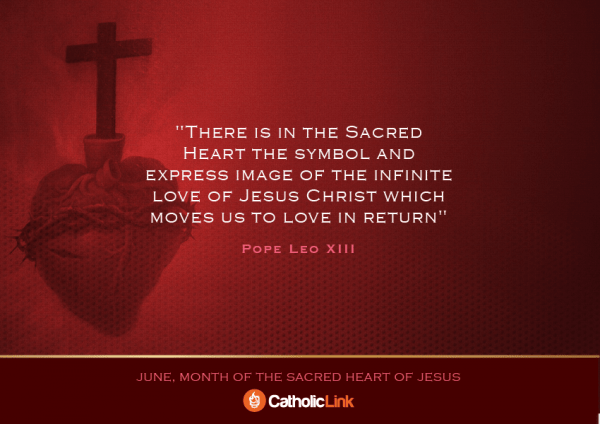
DEVOTION TO THE SACRED HEART OF JESUS is a cherished Catholic practice that centres on adoring and expressing love for the Compassionate Heart of Jesus Christ.

It invites the faithful to contemplate and embrace the Sacred Heart, pierced and aflame with Divine Love.

๐ŸŒ€ HISTORY

๐Ÿ’ก Scriptural Foundation: This devotion finds its roots in scriptural themes of God’s love and compassion, symbolized by the heart as a center of love.

It is especially witnessed as described in Jn 19:34: “But one of the soldiers pierced his side with a spear, and at once there came out blood and water.”
This event symbolizes the sacrificial love of Jesus, with the blood and water representing the sacraments of the Eucharist and Baptismโ€ฆ
โ€ฆ emphasizing the spiritual nourishment and cleansing provided by Christ’s sacrifice.

๐Ÿ’ก Revelations to Saint Margaret Mary: In the 17th century, Jesus revealed His Sacred Heart to St Margaret Mary Alacoque, conveying His burning love for humanity.

These revelations call for personal devotion, reparation, and receiving Holy Communion on the first Fridays.

๐Ÿ’ก Fathers of the Church: Early Church Fathers, such as St Augustine and St John Chrysostom, contributed to the understanding of Christ’s Sacred Heart as a symbol of Divine Love and Mercy.

๐Ÿ’ก St Francis de Sales: Known as the ‘Doctor of Love,’ St Francis de Sales, fostered devotion by his spiritual writings, which emphasized love, humility, and union with Christ’s Sacred Heart.

St Francis de Sales is the founder of the Visitation Order, the congregation to which St Margaret Mary Alacoque belonged.

๐Ÿ’ก St Claude de la Colombiรจre: A Jesuit priest, confessor to Saint Margaret Mary, and saintly advocate for the devotion to the Sacred Heartโ€ฆ
โ€ฆ Saint Claude de la Colombiรจre played a crucial role in spreading awareness of these revelations.

๐Ÿ’ก Popes and Formal Recognition: Popes, including Pope St Pius IX, Pope St Leo XIII and Pope St John Paul II played significant roles in recognizing and promoting this devotion.

Pope St Leo XIII consecrated the entire world to the Sacred Heart in 1899.

๐Ÿ’ก Liturgical Celebration: The Solemnity of the Sacred Heart is celebrated on the Friday following the second Sunday after Pentecost, providing a liturgical expression of this devotion.

๐Ÿ™๐ŸปSPIRITUAL SIGNIFICANCE

๐Ÿ”ท Symbol of Love: The Sacred Heart symbolizes Jesus’ immense and unconditional love for humanity

๐Ÿ”ท Call to Reparation: Jesus’ revelations emphasized a call to make amends (reparation) for the indifference and offenses against His Sacred Heart.

๐Ÿ”ท First Fridays Devotion: This practice involves receiving Holy Communion on the first Fridays of nine consecutive months, a sign of love and reparation.

๐Ÿ”ท Consecration: Consecrating oneself, family, and the world to the Sacred Heart is a significant aspect of this devotion.

๐Ÿ”ท Sacramental Life: Followers of Christ are encouraged to participate in the sacraments, especially Holy Communion,_ as a means of growing in love and holiness.

๐Ÿ”ท Source of Strength: In times of trials, challenges, and uncertainties, devotion to the Sacred Heart becomes a source of spiritual strength and refuge.

๐Ÿ”ท Transformative Love: Embracing the Sacred Heart’s love inspires a transformative journey of becoming vessels of love, compassion, and mercy in the world.

๐ŸŒ PRACTICAL TIPS

๐Ÿ’  Daily Offering: Begin each day with a simple prayer, offering it to the Sacred Heart and seeking His guidance and protection.

๐Ÿ’  First Fridays Devotion: Commit to the First Fridays Devotion, fostering a consistent practice of receiving Holy Communion and contemplating the Sacred Heart’s love.

๐Ÿ’  Consecration Prayer: Personally or as a family, make the Act of Consecration to the Sacred Heart, dedicating your lives to Christ’s transformative love.

๐Ÿ’  Image of Sacred Heart: Encouraging the practice of having an image or representation of the Sacred Heart in homesโ€ฆ
โ€ฆ fosters an environment of love, mercy, and devotion.

Families can gather for prayers and reflections, acknowledging Christ’s presence and love in their midst.

May Devotion to the Sacred Heart be a journey of profound love and transformation, drawing us closer to the Compassionate Heart of Jesus.

โ‡๏ธ Keep the faith!
โœ… Live in love!
โœณ๏ธ Deepen your hope!

God Bless! Live Jesus!

  • Fr Jijo Jose Manjackal MSFS
    Bengaluru, India
    reflectioncapsules@gmail.com

โฉ CATHOLIC CARTRIDGE – A series to learn, revive, love and be faithfulโ€ฆ to our Catholic Faith!

โ‡๏ธ WHAT IS IT?
The Chaplet of the Divine Mercy is a powerful Catholic prayer invoking God’s Mercy.

Using Rosary beads, it includes the repetition of specific prayers such as the Our Father, Hail Mary, and the Divine Mercy Chaplet prayer.

The Chaplet focuses on God’s boundless Mercy, emphasizing trust, repentance, and seeking Divine forgiveness through the merits of Christ’s Passion.

We are reminded that “the ocean of God’s Mercy is greater than all our sins, our failures and our weaknesses!”

๐ŸŒ€ HISTORY

Originating from revelations to St Faustina Kowalska in the early 20th century, the Chaplet gained widespread devotion, especially after her canonization by Saint Pope John Paul II in the Jubilee Year 2000.

Pope John Paul II was greatly instrumental in promoting the Divine Mercy devotion, declaring the Sunday after Easter as Divine Mercy Sunday.

The Chaplet serves as a tangible expression of trust in God’s mercyโ€ฆ
โ€ฆ reflecting Biblical references to God’s compassionate nature.

๐Ÿ™๐ŸปSPIRITUAL SIGNIFICANCE

The Chaplet of the Divine Mercy holds deep spiritual significance, serving as a profound channel for God’s Mercy.

๐Ÿ”ท Trust in God’s Mercy: The Chaplet invites believers to trust completely in God’s infinite Mercyโ€ฆ
โ€ฆ echoing Jesus’ message to St. Faustina that “even the most hardened sinner can find refuge in His compassionate Heart!”

๐Ÿ”ท Repentance and Forgiveness: Through the Chaplet prayers, we are called to express sincere repentance, seeking God’s forgiveness and mercy.

It serves as a pathway for the contrite heart to experience the transformative power of Divine Mercy.

๐Ÿ”ท Meditation on the Passion: The Chaplet guides us in a meditative reflection on the Passion of Christโ€ฆ
โ€ฆ deepening our understanding of the immense sacrifice and love revealed on the Cross.

๐Ÿ”ท Intercessory Prayer: Interwoven with the Our Father and Hail Mary, the Chaplet becomes a powerful intercessory prayerโ€ฆ
โ€ฆ invoking God’s mercy not only for oneself but for the entire world, fostering a sense of solidarity with humanity.

๐Ÿ”ท Receiving Graces: Jesus promised specific graces to those who faithfully recite the Chaplet, especially at the hour of death.

๐ŸŒ PRACTICAL TIPS
๐Ÿ’  Reflection on the Passion: As you recite the Chaplet, reflect on the profound mysteries of Christ’s Passion, Death, and Resurrection.

๐Ÿ’  Daily Devotion: Make the Chaplet a daily practice (if possible, at 3 o clock – the Hour of Mercy) offering intentions for your needs, the Church, and the entire world.

๐Ÿ’  Participation in the Novena of the Divine Mercy: Initiate/Join the communal recitation of the Novena of the Divine Mercy (starting on Good Friday) and culminating on the Divine Mercy Sunday, receiving the promised graces.

๐Ÿ’  Scriptural Meditation: Ponder on Biblical passages that highlight God’s Mercy, fostering a deeper understanding of the Chaplet’s significance.

May the Chaplet of the Divine Mercy be a source of profound trust, mercy, and transformative healing in our lives.

โ‡๏ธ Keep the faith!
โœ… Live in love!
โœณ๏ธ Deepen your hope!

God Bless! Live Jesus!

  • Fr Jijo Jose Manjackal MSFS
    Bengaluru, India
    reflectioncapsules@gmail.com

โ€” Pope St John Paul II, Shrine of Divine Mercy in Cracow, Poland on June 7, 1997

โฉ CATHOLIC CARTRIDGE – A series to learn, revive, love, and be faithfulโ€ฆ to our Catholic Faith!

โ‡๏ธ WHAT IS IT?
The Stations of the Cross, or the Way of the Cross, is a heart-touching Catholic devotion inviting believers to accompany Jesus Christ on His journey from condemnation to Crucifixion.

Comprising of 14 stations, each represents a specific event, to reflect deeply on Christ’s path to Calvary.
This transformative experience fosters a personal connection to His ultimate sacrifice for our salvation.

This devotion is an immersive experience for all Catholics, providing a transformative means of spiritual reflection and growth.
โ€ฆ cultivating a personal connection to the pivotal events of Christ’s Passion
โ€ฆ and a richer understanding of the redemptive narrative.

๐ŸŒ€ HISTORY
Pilgrimage Origins: The inception of the Stations can be traced back to pilgrims in the Holy Land retracing Jesus’ steps.

As early as the 4th century, St. Jerome documented pilgrims visiting sacred sites, laying the foundation for this devotion.

Franciscan Formalization: The Franciscans played a pivotal role in structuring the devotion in the 17th century, organizing the 14 Stations.

St. Leonard of Port Maurice, a Franciscan, further popularized the devotion in the 18th century.

Church Adoption: The Catholic Church formally embraced the Stations, incorporating them into the rich legacy of Lenten practices.

Pope Clement XII enriched the devotion in the 18th century, encouraging its observance as a potent means of spiritual reflection.

๐Ÿ”ท THE 14 STATIONS
โœ๏ธ Jesus is Condemned to Death: Reflect on Christ’s unjust condemnation, recognizing the weight of innocence unfairly burdened.

โœ๏ธ Jesus Takes Up His Cross: Contemplate Jesus embracing the instrument of His sacrifice, symbolizing His redemptive mission.

โœ๏ธ Jesus Falls the First Time: Witness the vulnerability of Christ as He stumbles under the weight of our sins.

โœ๏ธ Jesus Meets His Blessed Mother: Share in the poignant encounter between Jesus and Mary, acknowledging the deep maternal connection.

โœ๏ธ Simon of Cyrene Helps Jesus Carry the Cross: Ponder the unexpected assistance Jesus receives, inviting reflection on communal support.

โœ๏ธ Veronica Wipes Jesus’ Face: Delve into the compassionate act of Veronica, embodying kindness amid Christ’s suffering.

โœ๏ธ Jesus Falls the Second Time: Acknowledge the enduring physical and spiritual struggle as Jesus stumbles once more.

โœ๏ธ Jesus Meets the Women of Jerusalem: Reflect on Jesus’ empathy towards the mourning women, teaching lessons of compassion.

โœ๏ธ Jesus Falls the Third Time: Consider the profound resilience of Jesus in the face of overwhelming adversity.

โœ๏ธ Jesus is Stripped of His Garments: Contemplate the stripping of Jesus’ garments, revealing vulnerability and humility.

โœ๏ธ Jesus is Nailed to the Cross: Enter into the solemnity of Jesus’ crucifixion, recognizing the depth of His sacrifice.

โœ๏ธ Jesus Dies on the Cross: Witness the culmination of Christ’s redemptive act, embracing the profound mystery of God’s love.

โœ๏ธ Jesus’ Body is Taken Down from the Cross: Reflect on the tender moment as Jesus’ lifeless body is removed, signifying the end of His earthly journey.

โœ๏ธ Jesus is Laid in the Tomb: Contemplate the stillness of Jesus in the tomb, awaiting the glory of Resurrection.

๐Ÿ™๐Ÿป SPIRITUAL SIGNIFICANCE
Sacred Meditation: The devotion offers a unique combination of visual and prayerful meditation on each step of Christ’s suffering, providing a profound way to connect with His sacrificial love.

Biblical Reflection: Rooted in the Gospel accounts of Christ’s Passion and rich traditional accounts, the Stations facilitate contemplative reflection on the scriptural narrative, deepening one’s understanding of the redemptive story.

Universal Participation: The Stations are versatile, allowing for individual or communal practice, providing a universal and accessible means for Catholics to engage in the contemplation of Christ’s sacrifice.

Timeless Devotion: Traditionally observed during Lent, the devotion transcends time, offering continuous spiritual enrichment and a deeper connection to Christ’s love.

๐ŸŒ PRACTICAL TIPS
Personalized Reflection: Delve into the significance of specific stations, by personalising each step and allowing the weight of each step to resonate in your heart.

Community Connection: Engage in praying the Stations as a community/family for a shared faith experience, fostering a sense of community and collective devotion.

Consistent Practice: Integrate this devotion into your routine, whether on a weekly basis or as part of your Lenten observance, for sustained spiritual growth

Gain of Indulgence: Devoutly praying the Stations of the Cross, by following the ordinary conditions, along with praying for the intentions of the Holy Father, gains a plenary Indulgence

Accompaniment with Mother Mary: Pray the Stations, by holding the hands of Mother Mary and walking with Her on the journey of Her Beloved Son’s Way of Agony!

May the Stations of the Cross (Way of the Cross) be a transformative journey, drawing us closer to the boundless love of Jesus Christ.

โ‡๏ธ Keep the faith!
โœ… Live in love!
โœณ๏ธ Deepen your hope!

God Bless! Live Jesus!

  • Fr Jijo Jose Manjackal MSFS
  • Bengaluru, India
  • reflectioncapsules@gmail.com

โฉ CATHOLIC CARTRIDGE – A series to learn, revive, love and be faithfulโ€ฆ to our Catholic Faith!

03 THE HOLY ROSARY

โ‡๏ธ WHAT IS IT?
The Holy Rosary is a cherished Catholic devotion that involves the repetition of prayers, predominantly the Hail Maryโ€ฆ
โ€ฆ while meditating on significant events in the lives of Jesus Christ and the Blessed Virgin Mary.

This powerful prayer tool consists of beads organized into decades, each representing specific mysteries.

The Rosary is a Christian museumโ€ฆ
โ€ฆ which brings alive the past of the salvation history to the present, and becomes a inspiration for the future!
โ€ฆ which showcases the heritage and history of our faith and awakens many emotions and feelings!

The word Rosary means a “Crown of Roses!”

Our Lady has revealed to several people that each time one says a Hail Maryโ€ฆ
โ€ฆ one is giving her a beautiful rose and that completion of each Rosary, makes her a beautiful crown of roses.

๐ŸŒ€ HISTORY
Origin: The use of beads for prayer traces back to the early Christian Desert Fathers, with the modern Rosary evolving around the 12th century

St. Dominic: Tradition attributes the Rosary’s spread to St. Dominic, who received it from the Virgin Mary in a vision.

Papal Endorsement: Various Popes, especially Pope Leo XIII and Pope John Paul II, have endorsed and encouraged the Rosary as a potent spiritual weapon.

Marian Apparitions: Apparitions of Mary, especially at Lourdes and at Fatima, have emphasized the Rosary’s significance in promoting peace and conversion.

Fruitful Tradition: The Rosary has endured as a cherished Catholic practice, offering solace, protection, and a pathway to deeper contemplation.

๐Ÿ™๐ŸปSPIRITUAL SIGNIFICANCE
The Holy Rosary serves as a profound meditation on the mysteries of the faith.

Reflective Devotion: This powerful prayer is a meditation on the Joyful, Sorrowful, Glorious and Luminous Mysteries of the Life of Christ:

They invite us to prayerfully contemplate His Life, Passion, Death, and Resurrection, and Mary’s role in the mystery of salvation

Intercessory Power: The Rosary is a beautiful invocation of Mary’s intercession. Every Rosary is a โ€œbeautiful meditation on the life of Jesus, holding the hands of Mamma Mary!โ€

Contemplative Prayer: The repetitive prayers create a contemplative rhythm, fostering spiritual growth.

๐ŸŒ PRACTICAL TIPS
๐Ÿ’  Daily Dedication: Incorporate the Rosary into daily prayers, fostering a consistent connection with the Lord.

๐Ÿ’  Family Unity: Pray the Rosary together as a family, reinforcing spiritual bonds and devotion โ€“ accompanied by the powerful intercession of Mary, just as at the Wedding at Cana

๐Ÿ’  Intentions and Petitions: Attach specific intentions to each decade, seeking Mary’s intercession for personal and global concerns.

๐Ÿ’  Silent Meditation: Allow moments of silent reflection between Hail Marys to deepen contemplation.

May the Holy Rosary be a steadfast companion, leading us closer to the Heart of Jesus through the loving intercession of Maryโ€ฆ
โ€ฆ remembering that โ€œno one can live continually in sin and continue to say the Rosary: either they will give up sin or they will give up the Rosary!”

โ‡๏ธ Keep the faith!
โœ… Live in love!
โœณ๏ธ Deepen your hope!

God Bless! Live Jesus!

  • Fr Jijo Jose Manjackal MSFS
    Bengaluru, India
    ๐Ÿ“ง reflectioncapsules@gmail.com