
Tag: catholic
Rays of Hope #13 God’s Revelation

⏩ CATHOLIC CARTRIDGE – A series to learn, revive, love and be faithful…to our Catholic Faith!
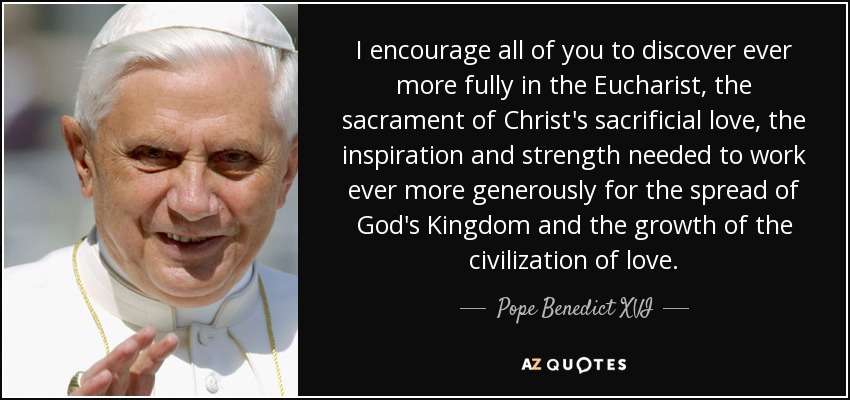
28 GRATEFUL HEARTS, GENEROUS LIVES: LIVING THE EUCHARISTIC LIFE
❇️ WHAT IS IT?
Gratitude and generosity are foundational virtues in the Catholic faith, rooted in the profound mystery of the Eucharist.
The Most Holy Eucharist becomes the greatest example and impetus, to embrace these virtues, enrich our spiritual journey and transform our lives.
🌀 HISTORY & IMPORTANCE
💡 Eucharistic Roots: The Eucharist, instituted by Christ at the Last Supper, embodies His sacrificial love and invites us into communion with Him and one another.
💡 Church’s Historical Emphasis: The Catholic Church has upheld the centrality of the Eucharist over centuries, recognizing it as the “source and summit of the Christian life” (CCC 1324), emphasizing its role in nourishing the faithful and building the Church.
💡 Vatican Council II: “The Eucharist is the sacrament of unity, the bond of charity, a paschal banquet’ in which Christ is consumed, the mind is filled with grace, and a pledge of future glory is given to us'” (Sacrosanctum Concilium, 47).
💡 Scriptural references & tradition
🔆 John 6 – Bread of Life Discourse: Reflect on Jesus’ profound teaching about His flesh as true food and His blood as true drink, emphasizing the real presence of Christ in the Eucharist.
🔆 Institutional Narrative: Meditate on the words of institution during the Mass, recognizing the Transubstantiation of bread and wine into the Body and Blood of Christ, and the call to participate in His sacrifice.
🔆 John 13 – Washing of the Feet: Emulate Christ’s humility and service, reflecting His love in our daily lives and relationships as we receive and share the Eucharistic gift.
📜 LEARN FROM SAINTS & CHURCH TEACHINGS
🔶 St. Therese of Lisieux: “Each small task of everyday life is part of the total harmony of the universe. To work for the Eucharistic Heart of Jesus is to live for Him alone.”
🔶 St. John Paul II: “The Eucharist is the sacrament of love; it signifies love, it produces love.” (Ecclesia de Eucharistia, 1)
🔶 St. Augustine: “Receive who you are. Become what you receive.”
🔶 St. Padre Pio: “It would be easier for the world to survive without the sun than to do without Holy Mass.”
🔶 Papal Encyclicals: Pope Francis calls the Eucharist “the sacrament of love” (Evangelii Gaudium, 264), urging us to live Eucharistic lives marked by gratitude and selfless giving.
🔶 CCC on the Eucharist: “The Eucharist is the memorial of Christ’s Passover, the making present and the sacramental offering of his unique sacrifice, in the liturgy of the Church which is his Body” (CCC 1362).
🙏🏻 SPIRITUAL SIGNIFICANCE
🔷 Gratitude as Worship: Our thankfulness for the Eucharist extends to every aspect of life, transforming ordinary moments into opportunities for worship and praise.
🔷 Generosity as Eucharistic Sharing: Just as Christ freely gives Himself in the Eucharist, we are called to share our blessings generously with others, embodying Christ’s love in action.
🔷 Eucharistic Unity: Gratitude and generosity foster unity in the Body of Christ, strengthening bonds of compassion, solidarity, and mutual support within the Church and society.
🌐 PRACTICAL TIPS
💠 Receive the Eucharist Reverently: Approach the Eucharist with deep gratitude and reverence, recognizing the gift of Christ’s presence in the sacrament.
💠 Acts of Charity: Engage in acts of charity and kindness, inspired by the self-giving love of Christ in the Eucharist, to uplift and support those in need.
💠 Eucharistic Adoration: Spend time in adoration before the Blessed Sacrament, cultivating a heart of gratitude and openness to God’s transformative grace.
💠 Sharing Blessings: Share your time, talents, and resources generously with others, mirroring Christ’s generosity in the Eucharist and fostering a culture of giving.
💠 Prayer of Thanksgiving: Develop a habit of daily gratitude through prayers of thanksgiving, acknowledging God’s blessings and providential care in your life.
💠 Eucharistic Sacrifice: Embrace sacrificial love in your relationships and endeavors, imitating Christ’s sacrificial offering in the Eucharist for the salvation of all.
💠 Overcoming modern challenges:
♦️ Secularism and Materialism: Counter secular influences by deepening Eucharistic spirituality, emphasizing spiritual wealth over material possessions, and promoting acts of generosity as signs of true abundance.
♦️ Digital Distractions: Create tech-free zones and prioritize Eucharistic devotions to cultivate a contemplative mindset, free from digital noise and distractions during prayer and worship.
♦️ Busy Lifestyles: Integrate moments of Eucharistic reflection into daily routines, such as brief prayers of gratitude before meals or dedicating commute time to spiritual readings and reflections.
♦️ Cultural Relativism: Educate others on the timeless truths of the Eucharist, emphasizing its central role in Catholic faith and morality, and encourage participation in Eucharistic celebrations as transformative encounters with Christ.
♦️ Challenges to Faith: Strengthen faith through Eucharistic encounters, seeking spiritual guidance from priests, deepening understanding of Eucharistic theology, and fostering a vibrant Eucharistic community for mutual support and encouragement.
May our lives be a living Eucharist, radiating gratitude and generosity, and drawing others closer to the heart of Christ.
❇️ Keep the faith!
✅ Live in love!
✳️ Deepen your hope!
God Bless! Live Jesus!
- Fr Jijo Jose Manjackal MSFS
Bengaluru, India
📧 reflectioncapsules@gmail.com
⏩ CATHOLIC CARTRIDGE – A series to learn, revive, love and be faithful…to our Catholic Faith!
25 THE DIGNITY OF THE HUMAN PERSON: A CALL TO HOLINESS
❇️ WHAT IS IT?
The DIGNITY OF THE HUMAN PERSON is a foundational teaching in Catholic theology that asserts the intrinsic worth and value of every human being, created in the image and likeness of God.
This teaching encompasses…
… the sanctity of human life from conception to natural death
… the rights and responsibilities of individuals
… and the call to holiness and respect for human dignity in all aspects of life.
🌀 HISTORICAL AND BIBLICAL FOUNDATIONS
The belief in the Dignity of the Human Person is rooted in Scripture, Church tradition, and the teachings of the Magisterium:
🔸 Imago Dei: Genesis 1:26-27 affirms that humanity is created in the image and likeness of God, reflecting His divine attributes and worth.
🔸 Incarnation: The incarnation of Jesus Christ emphasizes the Divine dignity of human nature and the redemption of humanity, highlighting the sacredness of human life.
🔸 Church Fathers: Early Church Fathers like St. Augustine and St. Thomas Aquinas expounded on the inherent dignity of each person as a reflection of God’s glory and love.
🔸 Magisterial Teachings: Documents such as St. John Paul II’s “Evangelium Vitae” (Gospel of Life) and “Theology of the Body” articulate the Catholic perspective on human dignity, the sanctity of life, and the promotion of a culture of life.
📘 CATECHISM OF THE CATHOLIC CHURCH (CCC)
The CCC provides profound insights into the Dignity of the Human Person:
♦️ Creation in God’s Image: CCC 356-361 emphasizes that humanity is created in the image and likeness of God, endowed with reason, free will, and the capacity for love and communion.
♦️ Dignity of the Human Person: CCC 1700-1709, 1929-1933 underscores the inherent dignity of each person, irrespective of race, religion, or social status, and the obligation to respect and protect human life.
♦️ Rights and Responsibilities: CCC 1730-1738, 1928 discusses the rights and responsibilities of individuals within the context of human dignity and social justice.
♦️ Respect for Human Life: CCC 2258-2330 affirms the sanctity of human life from conception to natural death, condemning practices such as abortion, euthanasia, and disregard for human life.
♦️ Deeper understanding of sexuality: CCC 2331-2391 explores the Catholic understanding of human sexuality, marriage, and the gift of life, rooted in the dignity of the human person.
📜 VATICAN COUNCIL II TEACHINGS
The teachings of the Second Vatican Council (Vatican II) also emphasize the Dignity of the Human Person:
🔹 Gaudium et Spes (Pastoral Constitution on the Church in the Modern World): This document affirms human dignity and addresses contemporary challenges.
🔹 Dignitatis Humanae (Declaration on Religious Freedom): Vatican II emphasizes the inviolable dignity of the human conscience and the importance of respecting individual beliefs and convictions.
🌟 TEACHINGS BY POPES
✴️ Pope St. John Paul II: Known for his extensive writings on human dignity, Pope St. John Paul II’s encyclicals like “Evangelium Vitae” (Gospel of Life) and “Veritatis Splendor” (The Splendor of Truth) highlight the sacredness of human life, the moral law, and the dignity of every person.
The Theology of the Body, articulated by Pope St. John Paul II, is a series of teachings that explore the Catholic understanding of human sexuality, marriage, and the gift of life.
It emphasizes the sacredness of the human body…
… the complementarity of man and woman, and the call to love as God loves
… reflecting the divine image in our relationships and actions.
✴️ Pope Benedict XVI: Pope Benedict XVI’s encyclicals, particularly “Caritas in Veritate” (Charity in Truth) and “Deus Caritas Est” (God Is Love), emphasize the social dimension of human dignity, the pursuit of justice, and the importance of charity in promoting human flourishing.
✴️ Pope Francis: Pope Francis’ teachings, expressed in documents like “Laudato Si'” (On Care for Our Common Home) and “Evangelii Gaudium” (The Joy of the Gospel), underscore the interconnectedness of human dignity with social justice, care for creation, and the preferential option for the poor and vulnerable.
🙏🏻 RELEVANCE & IMPORTANCE
💡 Pro-Life Stand: The Catholic Church’s uncompromising stand on pro-life issues, including abortion, euthanasia, and the dignity of every human life from conception to natural death, is rooted in the principle of human dignity and the sacredness of life.
💡 Challenges to Life: Modern challenges such as abortion, euthanasia, human trafficking, exploitation, and disregard for human rights underscore the urgent need to uphold and defend human dignity.
💡 Promoting Life: The Church’s mission includes promoting a culture of life, advocating for the protection of the vulnerable, supporting families, respecting human sexuality and marriage, and fostering a society that values every person as a gift from God.
🌐 PRACTICAL APPLICATION
💠 Advocacy for Sanctity of Life: Advocate for the sanctity of life from conception to natural death, supporting pro-life initiatives and organizations.
💠 Education on Church Teachings: Educate others about the Church’s teachings on human dignity, the sanctity of life, and the importance of respecting human rights.
💠 Prayer for Respect of Human Life: Pray for a greater respect for human life and the conversion of hearts to embrace the culture of life.
💠 Support for Families and Social Justice: Support families, promote social justice, and stand against practices that devalue human life or exploit human dignity.
💠 Personal stance on human dignity: Take an uncompromising stand on crucial issues like abortion and contraception by advocating for the sanctity of life and upholding the Church’s teachings.
If we have strayed from these teachings, confess your sins and live with a renewed commitment to the Catholic teachings – embracing the Gospel of Life with humility and repentance.
May our commitment to upholding the Dignity of the Human Person be a witness to the Gospel of Life and a reflection of God’s love for every individual.
❇️ Keep the faith!
✅ Live in love!
✳️ Deepen your hope!
God Bless! Live Jesus!
- Fr Jijo Jose Manjackal MSFS
Bengaluru, India
reflectioncapsules@gmail.com
⏩ CATHOLIC CARTRIDGE – A series to learn, revive, love and be faithful… to our Catholic Faith!
24 THE FOUR LAST THINGS: A JOURNEY TOWARDS ETERNITY
❇️ WHAT ARE THEY
The Four Last Things refer to Death, Judgment, Heaven, and Hell, which are central to Catholic eschatology – the study of the end times and the ultimate destiny of humanity.
💀 Death: Death is not just the end of earthly life but the transition to life after death.
Christ’s Resurrection affirms this reality of New Life, and invites us to live in hope and joy.
⚖️ Judgment: After death, each person will face the judgment seat of Christ, where deeds and choices in life will be examined, leading to either eternal reward or punishment.
Scriptures such as Mt 25:31-46, Rev 20:11-15, and 2 Cor 5:10 emphasize the accountability of every individual before God’s judgment seat.
🌌 Heaven: Heaven is the state of eternal bliss and communion with God for those who have lived in accordance with His Will, experiencing the fullness of joy and love.
Heaven as the dwelling place of God, and the Blessed, is found throughout Scripture, including Rev 21-22, where the heavenly Jerusalem and the eternal bliss of the Redeemed is described
🔥 Hell: Hell is the state of eternal separation from God, chosen by those who reject His love and mercy, leading to eternal suffering and torment.
Hell as a state of eternal separation from God and the consequences of unrepentant sin can be found in passages like Mt 25:41, Lk 16:19-31 and Rev 20:10.
📘 CATECHISM OF THE CATHOLIC CHURCH (CCC)
The Catechism of the Catholic Church (CCC) provides profound insights into the Four Last Things:
Death: CCC 1006-1014 emphasizes the Christian understanding of death as the end of earthly life and the beginning of the soul’s journey to God, where it will be judged based on its deeds.
Judgment: CCC 1021-1051 explores the particular judgment that each soul undergoes immediately after death, as well as the final judgment at the end of time, where all will be revealed before God.
Heaven: CCC 1023-1029 delves into the theological concept of Heaven, describing it as the ultimate end and fulfillment of the deepest human longings for happiness and communion with God.
Hell: CCC 1033-1037 addresses the reality of Hell, presenting it as the consequence of freely chosen sin and rejection of God’s love, highlighting the seriousness of moral choices and the need for repentance.
🌀 SIGNIFICANCE & IMPORTANCE
💡 Personal Reflection: Contemplating the Four Last Things invites us to reflect on the purpose of life, the reality of our mortality, and the eternal destiny of our lives
💡 Readiness for Holiness: Understanding these realities encourages us to live virtuously, seek reconciliation through the sacraments, and be spiritually prepared for the moment of death and judgment.
💡 Urgency of Salvation: The awareness of Heaven and Hell motivates us to strive for holiness, repentance, and conversion, recognizing the urgency of salvation.
💡 Merciful Justice: God’s judgment is both just and merciful, offering the opportunity for repentance and redemption while reminding us of the consequences of unrepentant sin.
💡 Eternal Perspective: Keeping the Four Last Things in mind helps us prioritize eternal values over temporal ones, fostering a deeper relationship with God and a longing for heavenly rewards.
🙏🏻 SPIRITUAL PREPARATION
🔷 Prayer and Sacraments: Regular prayer, participation in the Sacraments, especially Reconciliation and the Eucharist, and living a sacramental life are essential for spiritual readiness.
🔷 Moral Living: Embracing moral virtues, practicing charity, forgiveness, and reconciliation, and avoiding sin are fundamental for a life oriented towards Heaven.
🔷 Hope and Trust: Cultivating a deep trust in God’s mercy, embracing hope in His promises, and seeking His grace are pillars of spiritual preparation for the afterlife.
🔷 Devotional Practices: Devotions such as the Rosary, the Divine Mercy Chaplet, and prayers for the souls in purgatory are integral to Catholic spirituality, addressing themes of death, judgment, and the afterlife.
🔷 Catholic Art and Symbolism: Throughout history, Catholic art and symbolism have depicted through paintings, sculptures, and liturgical symbols, illustrating the realities of death, judgment, Heaven, and Hell.
🔷 Conversion and Repentance: Continuous conversion, sincere repentance for sins, and striving for holiness are paths to reconciling with God and preparing for judgment.
🔷 Community and Fellowship: Engaging in Christian community, supporting one another in faith, and journeying together towards Heaven strengthen our spiritual journey.
🌐 PRACTICAL TIPS
💠 Daily Examination: Reflect daily on your life, actions, and spiritual progress, seeking growth in virtue and walking with God’s Will.
💠 Liturgy and Devotions: Participate actively in liturgical celebrations, devotions, and practices that deepen your understanding of the Four Last Things and their significance.
💠 Study and Reflection: Read and study Catholic teachings on eschatology, engage in spiritual reading, and seek guidance from spiritual mentors or directors.
💠 Intercessory Prayers: Pray for the souls of the faithful departed – for those in purgatory – and for the grace of final perseverance for yourself and others.
💠 Living Faithfully: Live each day with faith, hope, and love, embracing the teachings of Christ and His Church, and trusting in His mercy and providence.
May the contemplation of the Four Last Things inspire us to live faithfully, seek God’s mercy, and strive for eternal happiness with Him.
❇️ Keep the faith!
✅ Live in love!
✳️ Deepen your hope!
God Bless! Live Jesus!
- Fr Jijo Jose Manjackal MSFS
Bengaluru, India
reflectioncapsules@gmail.com
⏩ CATHOLIC CARTRIDGE – A series to learn, revive, love and be faithful… to our Catholic Faith!
16 THE EUCHARISTIC FAST: A SPIRITUAL PREPARATION
❇️ WHAT IS IT?
THE EUCHARISTIC FAST is a period of abstaining from food and drink before receiving Holy Communion during the Holy Mass.
It is a spiritual discipline aiming to foster reverence for the Eucharist – the true Body and Blood of Christ.
🌀 HISTORY
💡 Early Christian Practice: The roots of the Eucharistic Fast trace back to the early Christian Church.
Believers abstained from food and drink before receiving Communion, emphasizing the sacredness of the act.
💡 Liturgical Development: Over centuries, the Church formalized the practice, establishing guidelines for the Eucharistic Fast to underscore the importance of spiritual preparation.
💡 Biblical Basis: The general idea of spiritual readiness before partaking in the Lord’s Supper finds Biblical basis in St. Paul’s teachings (1 Corinthians 11:27-29).
💡 Ecclesiastical Legislation: Church councils, including the Council of Trent, contributed to the formulation of ecclesiastical laws regarding the Eucharistic fast, ensuring a common discipline across the faithful.
📜 CHURCH’S TEACHING ON THE EUCHARISTIC FAST
♦️ Duration: The Church prescribes a one-hour fast before receiving Holy Communion.
This period of abstinence includes all food and beverages, with the exception of water and medicine.
♦️ Ecclesiastical Law: The one-hour Eucharistic fast is a binding ecclesiastical law, emphasizing the importance of having a heart prepared and focused on Divine encounter.
♦️ Detachment and Temperance: The practice encourages the virtues of detachment and temperance, reminding the faithful of the sacredness of the Eucharist and the need for a state of grace.
♦️ Unity in Practice: The universal observance of the Eucharistic fast among the faithful underscores a shared discipline and unity in the approach to the reception of Holy Communion.
♦️ Exceptions: Certain situations may exempt individuals from the strict observance of the Eucharistic fast, such as those who are ill or elderly, as well as those who care for them.
Pastoral sensitivity is applied to accommodate various circumstances.
✴️ LEARN FROM SAINTS & TEACHINGS
🔶 St. Thomas Aquinas: “The purpose of the Eucharistic fast is to prepare the Christian to receive Communion with fitting reverence and devotion.” (Summa Theologica, III, Q. 80, Art. 6)
🔶 Pope St. Paul VI: “The Eucharistic fast is not only a precept of the Church but is also a reflection of the virtue of temperance, while nourishing and expressing faith, hope, charity, and religion.”
🔶 St. Padre Pio: “To be pure in body and soul is a requisite to receive Holy Communion.”
🔶 Catechism of the Catholic Church: “The Eucharistic fast is an important practice to foster a spirit of detachment, self-mastery, and openness to the Lord’s presence.” (CCC 1387)
🔶 Pope St. John Paul II: “Fasting before Communion is a form of self-discipline which encourages a sober, more prayerful preparation for receiving the body and blood of Christ.”
🙏🏻 SPIRITUAL SIGNIFICANCE
🔷 Reverence for the Eucharist: The Eucharistic Fast instills a sense of reverence, underscoring the exceptional nature of receiving the body and blood of Christ in Holy Communion.
🔷 Spiritual Discipline: It serves as a spiritual discipline, fostering self-control and detachment from worldly distractions, creating a focused mindset for encountering Christ.
🔷 Mystical Union: The period of fasting is a time of spiritual longing and anticipation, enhancing the sense of mystical union with Christ during the reception of the Eucharist.
🔷 Preparation for Encounter: Abstaining from food and drink allows the faithful to approach the Eucharist with greater mindfulness and intentionality, recognizing the sacredness of the moment.
🌐 PRACTICAL TIPS
💠 Adherence to Guidelines: Observe and adhere to the current ecclesiastical guidelines regarding the duration of the Eucharistic Fast, recognizing it as a form of obedience and unity.
💠 Spiritual Preparation: Use the time of fasting as an opportunity for spiritual preparation, engaging in prayer and reflection to cultivate a disposition of reverence.
💠 Intentional Reflection: Reflect on the significance of the Eucharistic Fast, understanding that it is not merely a rule but an opportunity to deepen your connection with the Sacrament.
💠 Educate Others: Share the spiritual importance of the Eucharistic Fast with fellow Catholics, fostering a collective commitment to this practice for a more profound experience of the Eucharist.
💠 Receive with Awe: Approach Holy Communion with a sense of awe and gratitude, recognizing the Eucharistic fast as a means to enhance the sacredness of this divine encounter.
May the Eucharistic Fast be a source of spiritual enrichment, deepening our reverence for the true presence of Christ in the Holy Eucharist.
❇️ Keep the faith!
✅ Live in love!
✳️ Deepen your hope!
God Bless! Live Jesus!
- Fr Jijo Jose Manjackal MSFS
Bengaluru, India
reflectioncapsules@gmail.com
“It pleased the Holy Spirit to appoint, for the honour of so great a sacrament, that the body of the Lord should take the precedence of all other food entering the mouth of a Christian; and it is for this reason that the custom referred to is universally observed.“
– St Augustine
⏩ CATHOLIC CARTRIDGE – A series to learn, revive, love and be faithful…to our Catholic Faith!
15 THE CONFESSIONALS: RECONCILIATION AND SPIRITUAL HEALING
❇️ WHAT IS IT?
THE CONFESSIONALS are sacred spaces within the Catholic Church where the faithful participate in the Sacrament of Reconciliation, also known as Confession or Penance.
It is a transformative and healing encounter with God’s mercy, offering forgiveness for sins and restoring the soul to a state of grace.
As Pope Francis expressed, “Do not be afraid of Confession,” for it is the place where one experiences God’s unconditional love and mercy.
🌀 HISTORY
💡 Scriptural Foundation: The Sacrament of Reconciliation has its roots in Scripture.
Jesus, after His resurrection, breathed on the apostles and said, “Receive the Holy Spirit. If you forgive anyone’s sins, their sins are forgiven” (John 20:22-23).
💡 Early Christian Practices: In the early Church, public penance was common for serious sins. Over time, the practice evolved, with private confession becoming more prevalent.
💡 Development of the Confessional: The modern confessional, with a screen for anonymity, emerged in the medieval period, allowing penitents to confess their sins without public exposure.
This evolution demonstrates the Church’s responsiveness to the pastoral needs of the faithful while preserving the essential elements of the sacrament.
💡 Council of Trent: The Council of Trent (1545-1563) affirmed the importance of private confession and defined the essential elements of the Sacrament of Reconciliation.
📜 LEARN FROM SAINTS & TEACHINGS
🔶 St. Augustine: “When you confess your sins, do not seek to excuse yourself or to justify yourself, but rather accuse yourself, and open the depths of your heart.”
🔶 St. Padre Pio: “Go to the confessional, that is where one receives healing. The confessional is a clinic, where spiritual wounds are healed.”
🔶 St. John Vianney: “Without the Sacrament of Confession, a soul remains a captive of its sins, it cannot be free.”
🔶 St. Faustina Kowalska: “When you approach the confessional, know this, that I Myself am waiting there for you. I am only hidden by the Priest, but I myself act in your soul.”
🙏🏻 SPIRITUAL SIGNIFICANCE
🔷 Forgiveness and Healing: Confession is a sacrament of forgiveness and healing, where sins are absolved, grace is supplied, and the soul is reconciled with God.
🔷 Encounter with Mercy: In the confessional, the penitent encounters the Mercy of God, experiencing the boundless love that forgives and transforms.
🔷 Restoration of Grace: Confession restores the state of grace in the soul, enabling the individual to participate fully in the life of the Church.
🔷 Spiritual Guidance: The Priest, acting in Persona Christi, provides spiritual guidance and counsel, aiding the penitent in their journey of faith.
🔷 Act of Humility: Confession is an act of humility, acknowledging one’s sins and weaknesses and seeking God’s grace for spiritual growth.
🔷 The Sacrament of Reconciliation involves three main elements:
- Contrition: A sincere sorrow for having offended God, along with the intention to sin no more.
- Confession: The disclosure of sins to the Priest, who acts as a representative of both God and the Church.
- Satisfaction (Penance): The carrying out of the penance assigned by the Priest, expressing sorrow and a willingness to make amends.
🌐 PRACTICAL TIPS
💠 Regular Confession: Make regular confession a spiritual discipline, recognizing its transformative power and the grace it brings to your life.
Try to confess, atleast once in a month (or maximum, once in three months)
💠 Openness and Honesty: Approach the Confessional with openness and honesty, trusting in God’s mercy and the Priest’s guidance for spiritual growth.
💠 Spiritual Guidance: Seek spiritual guidance from the Priest for ongoing struggles and challenges, fostering a relationship of trust and support.
💠 Encourage Others: Encourage fellow Catholics to embrace the Sacrament of Reconciliation, highlighting its role in spiritual renewal and closeness to God.
💠 Understand the Process: Familiarize yourself with the steps of the Sacrament, understanding that the priest is a compassionate guide on the journey of repentance.
💠 Identify vices, practice virtues: Confession should be an opportunity to identify our vices and practice it’s opposite virtues, on a daily basis. This will deepen our spiritual life, and foster mercy in the world.
May The Confessionals continue to be sanctuaries of mercy, reconciliation, and spiritual healing, drawing the faithful closer to God’s infinite love.
❇️ Keep the faith!
✅ Live in love!
✳️ Deepen your hope!
God Bless! Live Jesus!
- Fr Jijo Jose Manjackal MSFS
Bengaluru, India
reflectioncapsules@gmail.com

⏩ CATHOLIC CARTRIDGE – A series to learn, revive, love and be faithful…to our Catholic Faith!
12 THE HOLY MASS: A DIRECT ENCOUNTER, WITH THE DIVINE
❇️ WHAT IS IT?
THE HOLY MASS stands at the heart of Catholic worship, representing the re-presentation of Christ’s sacrifice on the Cross and offering believers an intimate encounter with the divine.
It is a sacred and communal act of worship where the faithful gather to offer praise, thanksgiving, and participate in the Paschal Mystery.
As St. John Paul II expressed, “The Eucharist is the source and summit of the Christian life.
The other sacraments, and indeed all ecclesiastical ministries and works of the apostolate, are bound up with the Eucharist and are oriented toward it.”
Archbishop Fulton Sheen beautifully says, “the greatest Love Story of the entire world is found in the Tiny White Host!”
🌀 HISTORY
💡 Institution by Christ: The Holy Mass finds its roots in the Last Supper, where Jesus instituted the Eucharist, commanding His disciples to “do this in memory of me” (Luke 22:19).
The institution of the Eucharist at the Last Supper is explicitly described in the Gospels, emphasizing its Divine origin (Matthew 26:26-28, Mark 14:22-24, Luke 22:19-20).
💡 Early Christian Worship: The early Christians continued the practice of gathering for the breaking of the bread, as seen in Acts 2:42-46, reflecting the essential role of the Mass in their worship.
💡 Development of the Liturgy: Over centuries, guided by the Holy Spirit, the Church developed the Liturgical structure of the Mass, incorporating prayers, rituals, and readings.
💡 Councils and Liturgical Reforms: Church councils, such as the Council of Trent, played a vital role in articulating the Church’s teachings on the Mass, and the Second Vatican Council brought about Liturgical reforms that emphasized active participation of the laity.
📜 LEARN FROM SAINTS & TEACHINGS
St. Justin Martyr: “No one may share the Eucharist with us unless he believes that what we teach is true, unless he is washed in the regenerating waters of baptism for the remission of his sins, and unless he lives in accordance with the principles given us by Christ.”
St. John Chrysostom: “When we have been to Holy Communion, the balm of love envelops the soul as the flower envelops the bee.”
St. Teresa of Calcutta: “If we really understand the Eucharist; if we really participate in Mass, we would offer our lives in sacrifice with Jesus on the Cross.”
St. Padre Pio: “It would be easier for the world to survive without the sun than to do without Holy Mass.”
St. Pope John Paul II: “The Eucharist is the secret of my day. It gives strength and meaning to all my activities of service to the Church and to the whole world.”
St. Augustine: “Christ is both the Priest, offering Himself, and Himself the Victim. He willed that the sacramental sign of this should be the daily Sacrifice of the Church.”
🙏🏻 SPIRITUAL SIGNIFICANCE
🔷 Real Presence of Christ: The Holy Mass is the moment when, through Transubstantiation, the bread and wine become the Body and Blood of Christ – making alive, His Real Presence among the faithful.
🔷 Paschal Mystery: By participating in the Mass, believers enter into the Paschal Mystery—Christ’s Passion, Death, and Resurrection—making present the salvific work of Jesus.
🔷 Communal Worship: The Mass is a communal act of worship where the Church, both on earth and in heaven, unites in praising and offering gratitude to God.
🔷 Sacrament of Unity: The Eucharist is a powerful symbol of unity, bringing together the diverse members of the Church into one body, the Body of Christ.
🔷 Historical Consistency: The consistency of the Mass throughout the Church’s history, despite cultural and linguistic differences, underscores its divine origin.
🔷 Source of Grace: Through the Mass, believers receive Sacramental Grace, nourishing their souls and empowering them to live according to Christ’s teachings.
🔷 Heaven on Earth: The Holy Mass is described as “Heaven on Earth,” where heaven and earth meet in a mystical union, and believers have a foretaste of the heavenly banquet.
🌐 PRACTICAL TIPS
💠 Active Participation: Engage actively in the Mass by understanding the Liturgical elements, following the prayers, and participating in hymns and responses.
💠 Regular Attendance: Make attending Mass a priority, recognizing it as a central act of worship and a source of spiritual nourishment.
💠 Eucharistic Adoration: Complement Mass attendance with moments of Eucharistic Adoration, deepening your personal connection with the Real Presence.
💠 Receive the Eucharist Worthily: Approach the Holy Communion with a disposition of humility, repentance, and love, recognizing the profound encounter with Christ.
💠 Share the Faith: Share the beauty and significance of the Mass with others, helping them understand its transformative power and spiritual richness.
May The Holy Mass be a profound encounter with the divine, drawing believers into the mystery of Christ’s love and sacrifice.
❇️ Keep the faith!
✅ Live in love!
✳️ Deepen your hope!
God Bless! Live Jesus!
- Fr Jijo Jose Manjackal MSFS
Bengaluru, India
reflectioncapsules@gmail.com
⏩ CATHOLIC CARTRIDGE – A series to learn, revive, love, and be faithful…to our Catholic Faith!
11 THE LITURGICAL CALENDAR: A SOURCE OF FAITH AND UNITY
❇️ WHAT IS IT?
THE LITURGICAL CALENDAR is a sacred Catholic practice that organizes the Church’s worship and commemorates key events in the life of Christ, providing a framework for spiritual growth and communal unity.
It invites believers to participate actively in the mysteries of salvation throughout the liturgical year.
Pope Francis tells us, “the Liturgical Calendar is a catechetical tool par excellence. It teaches us to live in communion with the Church, to contemplate Jesus, and to follow him.”
🌀 HISTORY
💡 Biblical Roots: Rooted in Biblical events, the Liturgical Calendar reflects the divine plan of salvation, beginning with Advent as a preparation for the birth of Christ and culminating in the celebration of Christ the King.
💡 Apostolic Tradition: The early Christians, inspired by the Holy Apostles, developed the Liturgical Calendar to guide the rhythm of worship, emphasizing the centrality of Christ in the life of the Church.
💡 Development of Liturgical Seasons: The Liturgical Calendar has evolved with distinct liturgical seasons, fostering a deepened understanding of the mysteries of faith.
In the Church, there are six Liturgical seasons:
- Advent: Prepares hearts for God’s ‘incarnational’ presence in our lives.
- Christmas: Celebrates God’s intervention and deepens our understanding of Emmanuel—God with us.
- Lent: Focuses on repentance and confronting the reality of sin, and the Mercy of God
- Holy Triduum: Centres on the Passion, Death, and Resurrection of our Blessed Lord.
- Easter: Highlights God’s mighty power through Resurrection and the promise of new life with the coming of the Holy Spirit
- Ordinary Time: Encourages reflection on Jesus’ daily life and teachings for practical insights.
💡 Feast Days and Solemnities: The inclusion of feast days and solemnities, honouring saints and significant events, enriches the spiritual journey, fostering devotion and unity among believers.
💡 Second Vatican Council: The Council affirmed the significance of the Liturgical Calendar, encouraging active participation in the Liturgy as a means of encountering the living Christ.
📜 LEARN FROM SAINTS & TEACHINGS
🔶 St. Augustine: “The Church celebrates the mystery of its Lord throughout the course of the year. This mystery embraces the birth, the Passion, the Resurrection, and Ascension of Christ.”
🔶 St. Thomas Aquinas: “The celebration of feasts is a profession of the Christian faith, which teaches the great mysteries of Christ.”
🙏🏻 SPIRITUAL SIGNIFICANCE
🔷 Faith Formation: The Liturgical Calendar serves as a structured curriculum for the faithful, guiding them through the essential doctrines and mysteries of the Christian faith.
🔷 Communal Unity: By following the Liturgical Calendar, the Church collectively enters into the sacred mysteries…
… fostering a sense of unity and shared spiritual journey among believers worldwide.
🔷 Living the Gospel: Each Liturgical season invites believers to immerse themselves in the Gospel message, providing opportunities for personal and communal conversion.
🔷 Mystical Participation: The Liturgical Calendar allows believers to mystically participate in the redemptive events of Christ’s life, fostering a deeper connection with the divine.
🔷 Sacramental Grace: Liturgical seasons and celebrations are accompanied by specific graces, enriching the sacramental life of the Church and aiding in the sanctification of the faithful.
🔷 Lectionary: The Church’s Liturgical Calendar includes a Lectionary – a curated selection of Scripture readings for each liturgical season and occasion.
The Sunday readings are arranged into 3 Cycles: Cycle A (with most readings taken from St Mathew), Cycle B (with most readings taken from St Mark) and Cycle C (with most readings taken from St Luke). The Easter Season primarily has readings from St John.
The weekday readings are classified as Year 1 (for odd years: Eg 2023, 2025) and Year 2 (for even years: Eg 2024, 2026)
This arrangement ensures that as a People of God, we complete reading the entire Bible (major portions) over a three year period.
🌐 PRACTICAL TIPS
💠 Active Participation: Actively engage in liturgical celebrations and follow the Liturgical Calendar to deepen your understanding of the faith.
💠 Educate and Share: Educate fellow Catholics about the spiritual richness of the Liturgical Calendar, emphasizing its role in nurturing faith and unity.
💠 Liturgical Devotions: Incorporate Liturgical devotions into your personal prayer life, aligning your spiritual journey with the rhythms of the Church.
💠 Celebrate Feast Days: Embrace the celebration of feast days and solemnities, recognizing them as opportunities for joy, devotion, and communal worship.
💠 Seasonal Reflection: Use each Liturgical season as a time for spiritual reflection, allowing the themes of the season to guide your personal and communal prayer.
May The Liturgical Calendar be a source of spiritual nourishment and communal unity, guiding us to live the Catholic faith with deeper conviction and commitment.
❇️ Keep the faith!
✅ Live in love!
✳️ Deepen your hope!
God Bless! Live Jesus!
- Fr Jijo Jose Manjackal MSFS
Bengaluru, India
reflectioncapsules@gmail.com
⏩ CATHOLIC CARTRIDGE – A series to learn, revive, love and be faithful…to our Catholic Faith!
10 DEVOTION AND PRAYERS FOR THE DEPARTED
❇️ WHAT IS IT?
DEVOTION AND PRAYERS FOR THE DEPARTED is a sacred Catholic practice involving prayers and supplications for the souls of the deceased.
It encourages believers to recognize the importance of praying for those who have passed away, seeking God’s mercy and grace for them.
🌀 HISTORY
💡 Scriptural Foundation: Grounded in the Scriptural understanding of the importance of prayers for the dead, found in passages like 2 Maccabees 12:46: “Therefore, [Judas Maccabeus] made atonement for the dead, that they might be delivered from their sin.”
This underscores the Christian responsibility to pray for the souls of the departed.
When a person dies, his/her existence ceases only in our sight.
They still continue to live in God’s sight.
The dead are not dead for God.
This is what Jesus says in Luke 20:38, “…he is not God of the dead, but of the living, for to him, all are alive”
Therefore, it is logical and reasonable that we pray for the faithful departed.
💡 Early Christian Witness: Early Christians, following the example of the Apostles, _engaged in prayers for the departed,& recognizing the Church as a living body that extends beyond physical death.
💡 Development of Liturgies: The establishment of liturgical practices, including requiem Masses and annual commemorations of the faithful departed, reflects the Church’s commitment to praying for the souls in purgatory.
💡 Teachings of the Church Fathers: Church Fathers such as St. Augustine affirmed the practice of offering prayers for the dead, emphasizing the transformative power of intercessory prayers.
💡 Second Vatican Council: The Council reiterated the importance of prayers for the dead, emphasizing the Church’s understanding of purgatory and the purification process after death.
📜 LEARN FROM THE TEACHINGS
St. John Chrysostom: “Let us help and commemorate them. If Job’s sons were purified by their father’s sacrifice, why would we doubt that our offerings for the dead bring them some consolation?”
St. Ambrose: “We have loved them during life; let us not abandon them in death, until we have conducted them by our prayers into the house of the Lord.”
St. Catherine of Genoa: “I believe no happiness can be found worthy to be compared with that of a soul in Purgatory except that of the saints in Paradise.”
St. Padre Pio: “It is a duty of every man to render to the departed, as far as possible, the same service as he would wish to be done to himself.”
St. Faustina Kowalska: “Today bring to Me the Souls who are in the prison of Purgatory, and immerse them in the abyss of My mercy. Let the torrents of My Blood cool down their scorching flames.”
🙏🏻 SPIRITUAL SIGNIFICANCE
🔷 Purgatorial Process: The practice underscores the belief in purgatory, a state of purification for souls destined for heaven, emphasizing the Church’s responsibility to aid them through prayers.
Praying for the departed reflects Christian charity and a commitment to the well-being of the entire Body of Christ.
🔷 God’s Mercy: Devotion and prayers for the departed acknowledge God’s infinite mercy, trusting in His compassion to grant solace and ultimate union with Him to the souls in purgatory.
This practice highlights the transformative nature of divine mercy and the hopeful journey towards eternal communion with God.
🔷 Intercession for the Departed: Believers become intercessors for the souls in purgatory, petitioning God on behalf of those who cannot pray for themselves.
This reflects the communal nature of prayer and the interconnectedness of the Church, both on earth and beyond (the Communion of Saints)
🔷 Continued Communion: The practice reinforces the concept of the Communion of Saints, illustrating that our relationship with fellow believers transcends death, and our prayers can still impact their spiritual journey.
It fosters a sense of solidarity, compassion, and hope within the Christian community.
🔷 Final Rest in God: Through prayers for the departed, believers express a longing for the souls to find eternal rest in God, acknowledging the ultimate destination of every faithful soul.
This practice aligns with the Christian understanding of death not as an end but as a transition to eternal life in God’s presence.
🔷 Reminder to live in hope and faith: Death is frightening for the faithless, but for the faithful, it is the doorway to the Fountain of Faith!
Death is a reality. Sometimes, in such situations, silence is the only answer that we can provide. But this silence ought to be a silence of hope, a silence of trust and a silence of faith.
When we have an unshakable hope and strong faith in God, the anguish of death subsides
🌐 PRACTICAL TIPS
💠 Offering Mass for the Departed: Participate in or request Masses dedicated to the souls in purgatory, recognizing the efficacy of the Eucharist in aiding the departed on their journey.
We are also reminded about offering the “Gregorian Mass” – an ancient tradition of offering thirty consecutive Masses said in thirty days for the soul of a deceased person, to release the from the pains of Purgatory
💠 Personal Prayers: Incorporate prayers for the departed into personal devotions, asking God’s mercy and grace for specific individuals or souls in general.
💠 Annual Remembrances: Observe annual commemorations like All Souls’ Day where the Church collectively prays for the faithful departed or Death Anniversaries, fostering a sense of community in remembering loved ones.
💠 Acts of Charity: Engage in acts of charity and kindness in memory of the departed, recognizing that such acts can be offered for the benefit of their souls.
💠 Educate Others: Share the scriptural and theological foundations of praying for the departed with fellow Catholics and offer explanations to those who may not be familiar with the practice.
May Devotion and Prayers for the Departed be a compassionate and hopeful journey, affirming the Christian commitment to the well-being of souls beyond this earthly life.
❇️ Keep the faith!
✅ Live in love!
✳️ Deepen your hope!
God Bless! Live Jesus!
- Fr Jijo Jose Manjackal MSFS
Bengaluru, India
reflectioncapsules@gmail.com
 Reflection Capsules

