⏩ CATHOLIC CARTRIDGE – A series to learn, revive, love, and be faithful to our Catholic Faith!

❇️ WHAT IS IT?

THE DAYS OF OBLIGATION are specific days in the Catholic Church’s Liturgical Calendar when the faithful are obliged to attend Mass.

These days commemorate key events in the life of Christ, the Virgin Mary, and the saints.
Embracing these days is not just a duty but an opportunity to encounter the mysteries of our faith and deepen our connection with God.

πŸŒ€ HISTORY & IMPORTANCE

πŸ’‘ Biblical Foundation: The practice of gathering for worship on specific days has roots in the Bible.

The early Christian community devoted themselves to the “breaking of the bread” (Acts 2:42), emphasizing the communal celebration of the Eucharist.

πŸ’‘ Liturgical Significance: The Days of Obligation commemorate significant feasts, such as the Nativity of Our Lord Jesus Christ, the Solemnity of Mary, Mother of God, the Assumption, All Saints’ Day etc

πŸ’‘ Spiritual Nourishment: These days provide spiritual nourishment and grace, allowing the faithful to participate in the Church’s Liturgical life and receive the sacraments.

πŸ’‘ Community Unity: Coming together on these days fosters a sense of community unity, as Catholics worldwide commemorate and celebrate the same mysteries of faith.

πŸ’‘ Ecclesial Identity: Observing the Days of Obligation reinforces ecclesial identity and belonging, connecting individuals to the broader Catholic community and its shared traditions.

πŸ“œ CANON LAW REFERENCES

πŸ”Έ Canon 1246: “Sunday, on which by apostolic tradition the paschal mystery is celebrated, must be observed in the universal Church as the primordial holy day of obligation.

The following days must also be observed: the Nativity of our Lord Jesus Christ, the Epiphany, the Ascension, the Body and Blood of Christ, Holy Mary the Mother of God, her Immaculate Conception, her Assumption…
… Saint Joseph, Saint Peter and Saint Paul the Apostles, and All Saints.”

πŸ”ΈΒ§2. With the prior approval of the Apostolic See, however, the conference of bishops can suppress some of the holy days of obligation or transfer them to a Sunday.

πŸ”Έ Canon 1247: “On Sundays and other holy days of obligation, the faithful are obliged to participate in the Mass.”

πŸ™πŸ» SPIRITUAL SIGNIFICANCE

πŸ”· Encounter with Christ: The Days of Obligation offer a unique opportunity to encounter Christ in the Eucharist, entering into the mysteries of our salvation.

πŸ”· Sacramental Grace: Participation in Mass on these days provides abundant sacramental grace, nourishing the soul and strengthening the bond with God.

πŸ”· Faithful Witness: Observing these days is a public testimony to one’s faith, bearing witness to the importance of worship and the centrality of God in our lives.

πŸ”· Communal Celebration: The communal aspect of these days underscores the unity of the Church, as believers around the world celebrate together.

πŸ”· Liturgical Seasons: These days are often linked to specific liturgical seasons, allowing the faithful to immerse themselves in the rich heritage of the Church’s Liturgy.

πŸ”· Ecclesial Identity: Regular observance of the Days of Obligation contributes to the formation of ecclesial identity, deepening the sense of belonging to the larger Catholic family.

🌐 PRACTICAL TIPS

πŸ’  Calendar Awareness: Familiarize yourself with the Church calendar, noting the Days of Obligation, and prioritize attending Mass on these days.

πŸ’  Family Participation: Encourage family members to attend Mass together, fostering a shared commitment to the faith.

πŸ’  Learn more: Explore various books and resources that explain the significance of each feast associated with the Days of Obligation, to have a greater appreciation of the importance of such days.

πŸ’  Prayerful Preparation: Approach these days with prayerful preparation, allowing time for reflection and spiritual readiness.

πŸ’  Sacramental Confession: Consider receiving the Sacrament of Reconciliation before attending Mass on these days, ensuring a state of grace.

πŸ’  Make it a family celebration: Extend invitations to your extended family, friends and acquaintances, inviting them to join you in celebrating these special days of the Church.

May the observance of The Days of Obligation be a source of spiritual enrichment, drawing us closer to the mysteries of our faith and the love of our Lord.

❇️ Keep the faith!
βœ… Live in love!
✳️ Deepen your hope!

God Bless! Live Jesus!

  • Fr Jijo Jose Manjackal MSFS
    Bengaluru, India
    reflectioncapsules@gmail.com

⏩ CATHOLIC CARTRIDGE – A series to learn, revive, love, and be faithful to our Catholic Faith!

❇️ WHAT IS IT?

FASTING AND ABSTINENCE are ancient Christian practices involving voluntary self-discipline in food consumption and abstaining from certain pleasures and likes.

These acts of penance aim to nurture spiritual growth, foster self-control, and cultivate a deeper connection with God.

πŸŒ€ HISTORY & IMPORTANCE

πŸ’‘ Biblical Foundation: Fasting and abstinence find roots in the Bible.

Jesus, during His forty days in the desert, demonstrated the significance of fasting as a spiritual discipline (Matthew 4:1-11).
The Scriptures testify the importance of fasting and abstinence in various places and contexts

πŸ’‘ Tradition of the Church: Early Christians adopted fasting and abstinence as a means of penance, seeking spiritual purification and closeness to God.

πŸ’‘ Liturgical Seasons: The Church incorporates fasting and abstinence into Liturgical seasons especially Lent, emphasizing spiritual preparation and self-denial.

πŸ’‘ Purpose and Intent: These practices are not merely about abstaining from food but are intentional acts of sacrifice, aligning the physical discipline with spiritual goals.

πŸ’‘ Additional Aspects: Apart from food, fasting can also involve abstaining from entertainment, certain habits, or luxuries, fostering detachment and self-control.

πŸ’‘ Cultivation of Virtues: Fasting extends beyond food, encompassing a fast from negative habits like gossip, anger, envy, and impatience. This holistic approach aids in cultivating virtues, fostering a spirit of humility and self-mastery.

πŸ’‘ Prayer Intentions: Fasting gains deeper meaning when coupled with prayer intentions, offering the sacrifice for a specific purpose or person. We are called to be “intercessory warriors” along with our bodily disciplining.

πŸ“œ LEARN FROM SAINTS & CHURCH TEACHINGS

πŸ”Ά St. Augustine: “Fasting cleanses the soul, raises the mind, subjects one’s flesh to the spirit, renders the heart contrite and humble, scatters the clouds of concupiscence, quenches the fire of lust, kindles the true light of chastity.”

πŸ”Ά Catechism of the Catholic Church (CCC): “The Church has specified certain forms of penance, both to ensure that the Catholic will do something, as required by Divine law, while making it easy for them to do so.” (CCC 2043)

πŸ”Ά Canon Law: “The days and times of penance for the universal Church are each Friday of the whole year and the season of Lent.” (Canon 1250)

πŸ”Ά Pope St. John Paul II: “Fasting is more than a physical exercise; it is a spiritual awakening.”

πŸ”Ά St. Teresa of Avila: “Our human nature often asks for more than what is needed. Fasting and abstinence help bring the body into subjection and reawaken the soul.”

πŸ™πŸ» SPIRITUAL SIGNIFICANCE

πŸ”· Spiritual Detox: Fasting and abstinence act as a spiritual detox, helping us to purify our hearts and minds from worldly distractions.

In a world that glorifies pleasure and luxury, fasting and abstinence becomes means to be a “sign of contradiction!”

πŸ”· Self-Discipline: These practices cultivate self-discipline, allowing us to exercise control over their desires and foster a deeper connection with God.

πŸ”· Identification with Christ: By voluntarily embracing self-denial, we identify with Christ’s sacrifice and His journey of self-emptying for the salvation of humanity.

πŸ”· Solidarity with the Needy: Through fasting, we express solidarity with those who suffer hunger, fostering empathy and generosity towards the less fortunate.

πŸ”· Preparation for Feast Days: Fasting before feasts enhances the joy of celebration, making the festivities spiritually significant by emphasizing the contrast between abstaining and indulging.

πŸ”· Cultivation of Virtues: Fasting from negative habits promotes the cultivation of virtues like patience, kindness, and humility, contributing to spiritual growth.

🌐 PRACTICAL TIPS

πŸ’  Lenten Fasting: Embrace the Lenten season with intentional fasting and abstinence, in line with the Church’s call for spiritual renewal.

πŸ’  Prayer and Reflection: Combine fasting with prayer and reflection, using the heightened spiritual sensitivity to draw closer to God.

πŸ’  Supportive Community: Join a community that practices fasting, fostering a sense of communal solidarity in the spiritual journey.

Allow some financial proceeds of the sacrifice that we make, in charitably reaching out to the poor and needy

πŸ’  Gradual Progress: Start with small, manageable fasts, gradually increasing the level of self-discipline as spiritual strength grows.

πŸ’  Prayer Intentions: Offer your fasting and abstinence with specific prayer intentions, dedicating the sacrifice for the well-being of others or a particular cause.

πŸ’  Virtue Development: Extend fasting to negative habits, consciously avoiding speaking ill of others, keeping away from lustful tendencies, etc and focusing on cultivating virtues instead.

πŸ’  Educate Others: Share the spiritual benefits of fasting with fellow Catholics, encouraging a collective commitment to these practices for spiritual nourishment.

May Fasting and Abstinence be a source of spiritual nourishment, deepening our connection with God and fostering a spirit of self-discipline.

❇️ Keep the faith!
βœ… Live in love!
✳️ Deepen your hope!

God Bless! Live Jesus!

  • Fr Jijo Jose Manjackal MSFS
    Bengaluru, India
    reflectioncapsules@gmail.com
⏩ CATHOLIC CARTRIDGE – A series to learn, revive, love, and be faithful to our Catholic Faith!

❇️ WHAT IS IT?

EXAMINATION OF CONSCIENCE is a profound spiritual practice in the Catholic tradition, involving a sincere and reflective assessment of one’s thoughts, words, and actions.

It serves as a crucial step toward holiness, aiding the faithful in recognizing and repenting of their sins.

πŸŒ€ HISTORY & IMPORTANCE

πŸ’‘ Scriptural Basis: The concept of examining one’s conscience finds support in Scripture.

Psalm 139:23-24 – “Search me, O God, and know my heart! Try me and know my thoughts! And see if there be any grievous way in me, and lead me in the way everlasting!”

πŸ’‘ Sacramental Preparation: Examination of conscience is particularly relevant before receiving the Sacrament of Reconciliation (Confession), allowing individuals to confess their sins with contrition and sincerity.

πŸ’‘ Holiness and Conversion: Regular examination of conscience facilitates continuous conversion, helping individuals grow in holiness by identifying areas in need of improvement.

πŸ’‘ Spiritual Awareness: It fosters spiritual self-awareness, prompting the faithful to evaluate their alignment with Christian virtues and the teachings of the Church.

πŸ’‘ Special emphasis on examination before Holy Communion: Before receiving Holy Communion, engage in a focused examination of conscience
πŸ”Ή Prepare Your Heart: Ensure your heart is free from grave sin and approach the Eucharist with a contrite spirit.
πŸ”Ή Acknowledge Faults: Acknowledge venial sins and imperfections, expressing sorrow for offenses against God and neighbour.
πŸ”Ή Seek God’s Mercy: Plead for God’s mercy and grace, asking for the strength to overcome weaknesses and grow in holiness.

πŸ“œ LEARN FROM SAINTS & CHURCH TEACHINGS

πŸ”Ά St. Ignatius of Loyola: The founder of the Jesuits developed the “Examen,” a structured form of examination of conscience to discern God’s presence in daily life.

πŸ”Ά St. John Vianney: “The saints did not all begin well, but they all ended well. We must have patience with ourselves and strive to become saints.”

πŸ”Ά Catechism of the Catholic Church (CCC): “The moral life is spiritual worship. We ‘present [our] bodies as a living sacrifice, holy and acceptable to God,’ within the Body of Christ that we form and in communion with the offering of his Eucharist” (CCC 2099).

πŸ™πŸ» SPIRITUAL SIGNIFICANCE

πŸ”· Self-Reflection: Examination of conscience involves honest self-reflection, allowing us to evaluate our actions and intentions.

πŸ”· Repentance and Contrition: It leads to genuine repentance and contrition, fostering a humble acknowledgment of our faults and a desire for God’s Mercy.

πŸ”· Sacramental Reconciliation: Essential for the Sacrament of Reconciliation, examination of conscience prepares us to confess our sins with sincerity and humility.

πŸ”· Spiritual Growth: Regular practice contributes to spiritual growth, helping us to overcome sinful tendencies and cultivate virtues.

πŸ”· Holistic Transformation: By identifying areas for improvement, examination of conscience becomes a catalyst for holistic transformation, to live aligning individuals more closely with Christ.

🌐 PRACTICAL TIPS

πŸ’  Daily Reflection: Incorporate a brief daily examination of conscience, reflecting on actions, thoughts, and interactions with others.

This can be done, at the end of the day – going over all the events of the day…
… thanking God for all the good
… asking pardon for all the wrongs

πŸ’  Gratitude and Repentance: Combine gratitude for God’s blessings with sincere repentance for shortcomings during the examination of conscience.

πŸ’  Share with Spiritual Advisor: Discussing your examination of conscience with a spiritual advisor can provide guidance and insights for spiritual growth.

πŸ’  Encourage Others: Encourage fellow Catholics to embrace the practice of regular examination of conscience, emphasizing its role in spiritual development.

May the Examination of Conscience be a transformative journey, guiding us toward holiness and a deeper communion with God.

❇️ Keep the faith!
βœ… Live in love!
✳️ Deepen your hope!

God Bless! Live Jesus!

  • Fr Jijo Jose Manjackal MSFS
    Bengaluru, India
    reflectioncapsules@gmail.com

⏩ CATHOLIC CARTRIDGE – A series to learn, revive, love and be faithful… to our Catholic Faith!

❇️ WHAT IS IT?

THE EUCHARISTIC FAST is a period of abstaining from food and drink before receiving Holy Communion during the Holy Mass.

It is a spiritual discipline aiming to foster reverence for the Eucharist – the true Body and Blood of Christ.

πŸŒ€ HISTORY

πŸ’‘ Early Christian Practice: The roots of the Eucharistic Fast trace back to the early Christian Church.

Believers abstained from food and drink before receiving Communion, emphasizing the sacredness of the act.

πŸ’‘ Liturgical Development: Over centuries, the Church formalized the practice, establishing guidelines for the Eucharistic Fast to underscore the importance of spiritual preparation.

πŸ’‘ Biblical Basis: The general idea of spiritual readiness before partaking in the Lord’s Supper finds Biblical basis in St. Paul’s teachings (1 Corinthians 11:27-29).

πŸ’‘ Ecclesiastical Legislation: Church councils, including the Council of Trent, contributed to the formulation of ecclesiastical laws regarding the Eucharistic fast, ensuring a common discipline across the faithful.

πŸ“œ CHURCH’S TEACHING ON THE EUCHARISTIC FAST

♦️ Duration: The Church prescribes a one-hour fast before receiving Holy Communion.

This period of abstinence includes all food and beverages, with the exception of water and medicine.

♦️ Ecclesiastical Law: The one-hour Eucharistic fast is a binding ecclesiastical law, emphasizing the importance of having a heart prepared and focused on Divine encounter.

♦️ Detachment and Temperance: The practice encourages the virtues of detachment and temperance, reminding the faithful of the sacredness of the Eucharist and the need for a state of grace.

♦️ Unity in Practice: The universal observance of the Eucharistic fast among the faithful underscores a shared discipline and unity in the approach to the reception of Holy Communion.

♦️ Exceptions: Certain situations may exempt individuals from the strict observance of the Eucharistic fast, such as those who are ill or elderly, as well as those who care for them.

Pastoral sensitivity is applied to accommodate various circumstances.

✴️ LEARN FROM SAINTS & TEACHINGS

πŸ”Ά St. Thomas Aquinas: “The purpose of the Eucharistic fast is to prepare the Christian to receive Communion with fitting reverence and devotion.” (Summa Theologica, III, Q. 80, Art. 6)

πŸ”Ά Pope St. Paul VI: “The Eucharistic fast is not only a precept of the Church but is also a reflection of the virtue of temperance, while nourishing and expressing faith, hope, charity, and religion.”

πŸ”Ά St. Padre Pio: “To be pure in body and soul is a requisite to receive Holy Communion.”

πŸ”Ά Catechism of the Catholic Church: “The Eucharistic fast is an important practice to foster a spirit of detachment, self-mastery, and openness to the Lord’s presence.” (CCC 1387)

πŸ”Ά Pope St. John Paul II: “Fasting before Communion is a form of self-discipline which encourages a sober, more prayerful preparation for receiving the body and blood of Christ.”

πŸ™πŸ» SPIRITUAL SIGNIFICANCE

πŸ”· Reverence for the Eucharist: The Eucharistic Fast instills a sense of reverence, underscoring the exceptional nature of receiving the body and blood of Christ in Holy Communion.

πŸ”· Spiritual Discipline: It serves as a spiritual discipline, fostering self-control and detachment from worldly distractions, creating a focused mindset for encountering Christ.

πŸ”· Mystical Union: The period of fasting is a time of spiritual longing and anticipation, enhancing the sense of mystical union with Christ during the reception of the Eucharist.

πŸ”· Preparation for Encounter: Abstaining from food and drink allows the faithful to approach the Eucharist with greater mindfulness and intentionality, recognizing the sacredness of the moment.

🌐 PRACTICAL TIPS

πŸ’  Adherence to Guidelines: Observe and adhere to the current ecclesiastical guidelines regarding the duration of the Eucharistic Fast, recognizing it as a form of obedience and unity.

πŸ’  Spiritual Preparation: Use the time of fasting as an opportunity for spiritual preparation, engaging in prayer and reflection to cultivate a disposition of reverence.

πŸ’  Intentional Reflection: Reflect on the significance of the Eucharistic Fast, understanding that it is not merely a rule but an opportunity to deepen your connection with the Sacrament.

πŸ’  Educate Others: Share the spiritual importance of the Eucharistic Fast with fellow Catholics, fostering a collective commitment to this practice for a more profound experience of the Eucharist.

πŸ’  Receive with Awe: Approach Holy Communion with a sense of awe and gratitude, recognizing the Eucharistic fast as a means to enhance the sacredness of this divine encounter.

May the Eucharistic Fast be a source of spiritual enrichment, deepening our reverence for the true presence of Christ in the Holy Eucharist.

❇️ Keep the faith!
βœ… Live in love!
✳️ Deepen your hope!

God Bless! Live Jesus!

  • Fr Jijo Jose Manjackal MSFS
    Bengaluru, India
    reflectioncapsules@gmail.com

⏩ CATHOLIC CARTRIDGE – A series to learn, revive, love and be faithful…to our Catholic Faith!

❇️ WHAT IS IT?

THE CONFESSIONALS are sacred spaces within the Catholic Church where the faithful participate in the Sacrament of Reconciliation, also known as Confession or Penance.

It is a transformative and healing encounter with God’s mercy, offering forgiveness for sins and restoring the soul to a state of grace.

As Pope Francis expressed, “Do not be afraid of Confession,” for it is the place where one experiences God’s unconditional love and mercy.

πŸŒ€ HISTORY

πŸ’‘ Scriptural Foundation: The Sacrament of Reconciliation has its roots in Scripture.

Jesus, after His resurrection, breathed on the apostles and said, “Receive the Holy Spirit. If you forgive anyone’s sins, their sins are forgiven” (John 20:22-23).

πŸ’‘ Early Christian Practices: In the early Church, public penance was common for serious sins. Over time, the practice evolved, with private confession becoming more prevalent.

πŸ’‘ Development of the Confessional: The modern confessional, with a screen for anonymity, emerged in the medieval period, allowing penitents to confess their sins without public exposure.

This evolution demonstrates the Church’s responsiveness to the pastoral needs of the faithful while preserving the essential elements of the sacrament.

πŸ’‘ Council of Trent: The Council of Trent (1545-1563) affirmed the importance of private confession and defined the essential elements of the Sacrament of Reconciliation.

πŸ“œ LEARN FROM SAINTS & TEACHINGS

πŸ”Ά St. Augustine: “When you confess your sins, do not seek to excuse yourself or to justify yourself, but rather accuse yourself, and open the depths of your heart.”

πŸ”Ά St. Padre Pio: “Go to the confessional, that is where one receives healing. The confessional is a clinic, where spiritual wounds are healed.”

πŸ”Ά St. John Vianney: “Without the Sacrament of Confession, a soul remains a captive of its sins, it cannot be free.”

πŸ”Ά St. Faustina Kowalska: “When you approach the confessional, know this, that I Myself am waiting there for you. I am only hidden by the Priest, but I myself act in your soul.”

πŸ™πŸ» SPIRITUAL SIGNIFICANCE

πŸ”· Forgiveness and Healing: Confession is a sacrament of forgiveness and healing, where sins are absolved, grace is supplied, and the soul is reconciled with God.

πŸ”· Encounter with Mercy: In the confessional, the penitent encounters the Mercy of God, experiencing the boundless love that forgives and transforms.

πŸ”· Restoration of Grace: Confession restores the state of grace in the soul, enabling the individual to participate fully in the life of the Church.

πŸ”· Spiritual Guidance: The Priest, acting in Persona Christi, provides spiritual guidance and counsel, aiding the penitent in their journey of faith.

πŸ”· Act of Humility: Confession is an act of humility, acknowledging one’s sins and weaknesses and seeking God’s grace for spiritual growth.

πŸ”· The Sacrament of Reconciliation involves three main elements:

  1. Contrition: A sincere sorrow for having offended God, along with the intention to sin no more.
  2. Confession: The disclosure of sins to the Priest, who acts as a representative of both God and the Church.
  3. Satisfaction (Penance): The carrying out of the penance assigned by the Priest, expressing sorrow and a willingness to make amends.

🌐 PRACTICAL TIPS

πŸ’  Regular Confession: Make regular confession a spiritual discipline, recognizing its transformative power and the grace it brings to your life.

Try to confess, atleast once in a month (or maximum, once in three months)

πŸ’  Openness and Honesty: Approach the Confessional with openness and honesty, trusting in God’s mercy and the Priest’s guidance for spiritual growth.

πŸ’  Spiritual Guidance: Seek spiritual guidance from the Priest for ongoing struggles and challenges, fostering a relationship of trust and support.

πŸ’  Encourage Others: Encourage fellow Catholics to embrace the Sacrament of Reconciliation, highlighting its role in spiritual renewal and closeness to God.

πŸ’  Understand the Process: Familiarize yourself with the steps of the Sacrament, understanding that the priest is a compassionate guide on the journey of repentance.

πŸ’  Identify vices, practice virtues: Confession should be an opportunity to identify our vices and practice it’s opposite virtues, on a daily basis. This will deepen our spiritual life, and foster mercy in the world.

May The Confessionals continue to be sanctuaries of mercy, reconciliation, and spiritual healing, drawing the faithful closer to God’s infinite love.

❇️ Keep the faith!
βœ… Live in love!
✳️ Deepen your hope!

God Bless! Live Jesus!

  • Fr Jijo Jose Manjackal MSFS
    Bengaluru, India
    reflectioncapsules@gmail.com

⏩ CATHOLIC CARTRIDGE – A series to learn, revive, love and be faithful…to our Catholic Faith!

14 INCENSE: A SYMBOL OF PRAYER AND ADORATION

❇️ WHAT IS IT?

INCENSE holds a sacred place in Catholic liturgy, symbolizing prayer, adoration, and the ascent of worship to the divine.

It is a fragrant resinous substance that, when burned, releases aromatic smoke, creating an atmosphere of reverence and spiritual elevation.

As the Psalmist exclaims, “Let my prayer be set forth before you as incense, the lifting up of my hands as the evening sacrifice” (Psalm 141:2).

πŸŒ€ HISTORY

πŸ’‘ Biblical Tradition: The use of incense has deep roots in the Old Testament, where it was employed in the worship of God.

The book of Exodus details how God instructed Moses to use fragrant incense in the Tabernacle (Exodus 30:34-38).

πŸ’‘ Temple Worship: In the Jerusalem Temple, priests burned incense as part of their sacred duties, and it became associated with the prayers of the faithful ascending to God.

πŸ’‘ Early Christian Worship: The early Christians, inheriting elements from Jewish worship, incorporated the use of incense as a way of honouring the Lord’s presence.

πŸ’‘ Liturgical Continuity: The continuity of using incense in Catholic liturgy highlights its enduring significance, bridging the worship practices of the Old and New Testaments.

πŸ“œ LEARN FROM SAINTS & TEACHINGS

πŸ”Ά St. John Damascene: “The rising smoke of the incense represents the prayers of the saints rising up to God.”

πŸ”Ά St. Augustine: “The incense is the symbol of the good odor of Christ, and it is perceptible everywhere. It is the good odor of Christ that we spread among those who are saved and among those who perish.”

πŸ”Ά St. Thomas Aquinas: “The ascending smoke of the incense represents the ascent of prayer to God, and the fragrance symbolizes the goodness and grace of Christ, which is diffused to the faithful.”

πŸ”Ά Pope St Paul VI: “The fragrant cloud of incense is a symbol of the noblest human aspirations, of our prayers ascending to the divine.”

πŸ”Ά Pope St John Paul II: “In the incensing, the clouds of smoke rising up symbolize the prayers of the people rising up to God.”

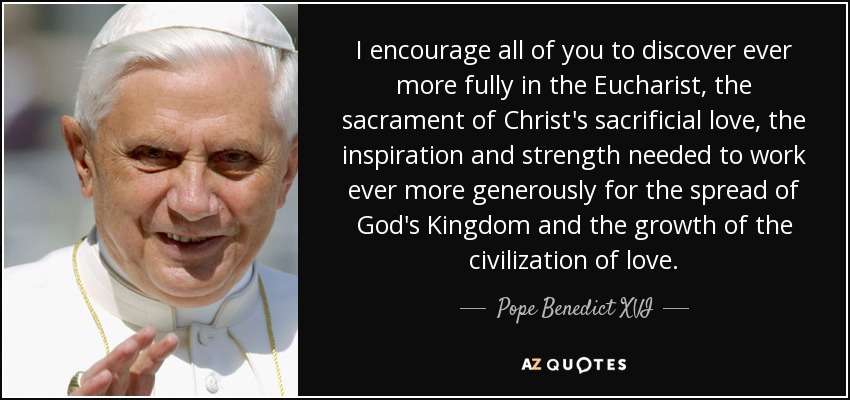
πŸ”Ά Pope Benedict XVI: “The perfumed smoke of the incense, spiraling upwards, was considered an image of prayer, an image of the soul ascending to God.”

πŸ™πŸ» SPIRITUAL SIGNIFICANCE

πŸ”· Symbol of Prayer: Incense serves as a visible and fragrant symbol of the prayers of the faithful ascending to God, creating a tangible link between the earthly and heavenly realms.

πŸ”· Adoration and Reverence: The use of incense during Liturgical rites enhances the atmosphere of adoration and reverence, signifying the sanctity of the moment.

πŸ”· Biblical Foundation: The use of incense is in line with Biblical traditions, particularly its prominent role in the worship practices of ancient Israel (Exodus 30:34-38).

πŸ”· Continuity of Worship: The continuity of using incense from Old Testament worship to the Catholic Liturgy underscores the richness of Catholic worship traditions.

πŸ”· Saintly Testimonies: Insights from saints like St. John Damascene, St. Augustine, and St. Thomas Aquinas affirm the spiritual significance of incense in enhancing the Liturgical experience.

🌐 PRACTICAL TIPS

πŸ’  Engage the Senses: Allow the fragrance of incense to engage your senses during Liturgical celebrations, fostering a deeper connection with the symbolic and spiritual dimensions of worship.

πŸ’  Educate Others: Share the Biblical and theological significance of incense with fellow Catholics, fostering a greater appreciation for this sacred element in worship.

πŸ’  Prayerful Posture: During the use of incense, assume a prayerful posture, consciously connecting the rising smoke with the ascent of prayers to God.

πŸ’  Cultural Sensitivity: Acknowledge and appreciate the cultural diversity in the use of incense within the Catholic Church, recognizing its adaptability to different Liturgical traditions.

πŸ’  Reflect on Symbolism: Take moments of personal reflection when incense is used in Liturgical settings, allowing its fragrance to draw you into a deeper connection with the Lord.

May Incense continue to be a symbol of prayer, adoration, and the unity of the faithful, enriching the Catholic Liturgical experience with its profound spiritual significance.

❇️ Keep the faith!
βœ… Live in love!
✳️ Deepen your hope!

God Bless! Live Jesus!

— Fr Jijo Jose Manjackal MSFS
Bengaluru, India
Email ID: reflectioncapsules@gmail.com

β€œThe offering of an incense is a generous and beautiful rite… In the rhythm and the sweetness there is a musical quality; and like music also is the entire lack of practical utility: it is a prodigal waste of precious material. It is a pouring out of unwithholding love.”

– Romano Guardini

⏩ CATHOLIC CARTRIDGE – A series to learn, revive, love and be faithful…to our Catholic Faith!

❇️ WHAT IS IT?

THE HOLY WATER is a sacred element in the Catholic Church, blessed by a priest and used for various spiritual purposes.

It symbolizes purification, protection, and the presence of the Lord, in daily life.

As St. Teresa of Ávila said, “From long experience, I have learned that there is nothing like Holy Water to put devils to flight and prevent them from coming back again.”

πŸŒ€ HISTORY

πŸ’‘ Biblical Roots: The use of water as a symbol of purification has biblical roots.

In the Old Testament, water was used for ritual cleansing, and in the New Testament, baptism signifies spiritual rebirth.
The use of Holy Water is in line with Biblical practices of using water for purification and sanctification (Exodus 30:18-21).

πŸ’‘ Early Christian Practices: Early Christians adopted the use of blessed water as a way of invoking God’s protection and purifying themselves from sin.

πŸ’‘ Liturgical Blessing: Over time, the Church formalized the blessing of water, infusing it with prayers and rituals to sanctify it for sacred purposes.

πŸ’‘ Medieval and Renaissance Period: The use of Holy Water fonts at Church entrances became widespread during the medieval and Renaissance periods, making it accessible to the faithful.

πŸ“œ LEARN FROM SAINTS & TEACHINGS

πŸ”Ά St. Teresa of Ávila: “I know by frequent experience that there is nothing which puts the devils to flight like Holy Water.”

πŸ”Ά St. Pope John Paul II: “Believe in the power of the Holy Spirit, the power of that Water that makes things change, that renews all. Believe in the miraculous power of God who alone can change your hearts and make them new.”

πŸ™πŸ» SPIRITUAL SIGNIFICANCE

πŸ”· Purification: Holy water is a symbol of spiritual cleansing, reminding the faithful of their baptismal vows and the forgiveness of sins.

πŸ”· Protection: Blessing oneself with Holy Water serves as a reminder of God’s protective presence and invokes Divine assistance against spiritual adversaries.

πŸ”· Sacramental: Holy water is a sacramental, a sacred sign instituted by the Church to prepare individuals to receive grace and dispose them to cooperate with it.

πŸ”· Sacred Spaces: The use of Holy Water in blessing homes, objects, and places symbolizes the sanctification of the ordinary aspects of life.

πŸ”· Protection Against Evil: St. Thomas Aquinas highlights the efficacy of Holy Water in dispelling evil forces, illustrating the supernatural power it holds.

🌐 PRACTICAL TIPS

πŸ’  Blessing at Entrances: Make it a habit to bless yourself with Holy Water when entering or leaving a church, symbolizing your spiritual readiness and seeking God’s protection.

πŸ’  Blessings of Home: Use Holy Water to bless your home, making the Sign of the Cross on doors and windows, inviting God’s grace into your living spaces.

πŸ’  Personal Prayer: Incorporate the use of Holy Water into your personal prayers, invoking God’s presence and protection over yourself and your loved ones.

πŸ’  Sacramental Awareness: Educate fellow Catholics about the sacramental nature of Holy Water, emphasizing its significance in promoting spiritual well-being.

May The Holy Water be a constant reminder of God’s purifying love and a source of spiritual protection in your journey of faith.

❇️ Keep the faith!
βœ… Live in love!
✳️ Deepen your hope!

God Bless! Live Jesus!

  • Fr Jijo Jose Manjackal MSFS
    Bengaluru, India
    reflectioncapsules@gmail.com

⏩ CATHOLIC CARTRIDGE – A series to learn, revive, love and be faithful…to our Catholic Faith!

❇️ WHAT IS IT?

THE HOLY MASS stands at the heart of Catholic worship, representing the re-presentation of Christ’s sacrifice on the Cross and offering believers an intimate encounter with the divine.

It is a sacred and communal act of worship where the faithful gather to offer praise, thanksgiving, and participate in the Paschal Mystery.

As St. John Paul II expressed, “The Eucharist is the source and summit of the Christian life.

The other sacraments, and indeed all ecclesiastical ministries and works of the apostolate, are bound up with the Eucharist and are oriented toward it.”

Archbishop Fulton Sheen beautifully says, “the greatest Love Story of the entire world is found in the Tiny White Host!”

πŸŒ€ HISTORY

πŸ’‘ Institution by Christ: The Holy Mass finds its roots in the Last Supper, where Jesus instituted the Eucharist, commanding His disciples to “do this in memory of me” (Luke 22:19).

The institution of the Eucharist at the Last Supper is explicitly described in the Gospels, emphasizing its Divine origin (Matthew 26:26-28, Mark 14:22-24, Luke 22:19-20).

πŸ’‘ Early Christian Worship: The early Christians continued the practice of gathering for the breaking of the bread, as seen in Acts 2:42-46, reflecting the essential role of the Mass in their worship.

πŸ’‘ Development of the Liturgy: Over centuries, guided by the Holy Spirit, the Church developed the Liturgical structure of the Mass, incorporating prayers, rituals, and readings.

πŸ’‘ Councils and Liturgical Reforms: Church councils, such as the Council of Trent, played a vital role in articulating the Church’s teachings on the Mass, and the Second Vatican Council brought about Liturgical reforms that emphasized active participation of the laity.

πŸ“œ LEARN FROM SAINTS & TEACHINGS

St. Justin Martyr: “No one may share the Eucharist with us unless he believes that what we teach is true, unless he is washed in the regenerating waters of baptism for the remission of his sins, and unless he lives in accordance with the principles given us by Christ.”

St. John Chrysostom: “When we have been to Holy Communion, the balm of love envelops the soul as the flower envelops the bee.”

St. Teresa of Calcutta: “If we really understand the Eucharist; if we really participate in Mass, we would offer our lives in sacrifice with Jesus on the Cross.”

St. Padre Pio: “It would be easier for the world to survive without the sun than to do without Holy Mass.”

St. Pope John Paul II: “The Eucharist is the secret of my day. It gives strength and meaning to all my activities of service to the Church and to the whole world.”

St. Augustine: “Christ is both the Priest, offering Himself, and Himself the Victim. He willed that the sacramental sign of this should be the daily Sacrifice of the Church.”

πŸ™πŸ» SPIRITUAL SIGNIFICANCE

πŸ”· Real Presence of Christ: The Holy Mass is the moment when, through Transubstantiation, the bread and wine become the Body and Blood of Christ – making alive, His Real Presence among the faithful.

πŸ”· Paschal Mystery: By participating in the Mass, believers enter into the Paschal Mysteryβ€”Christ’s Passion, Death, and Resurrectionβ€”making present the salvific work of Jesus.

πŸ”· Communal Worship: The Mass is a communal act of worship where the Church, both on earth and in heaven, unites in praising and offering gratitude to God.

πŸ”· Sacrament of Unity: The Eucharist is a powerful symbol of unity, bringing together the diverse members of the Church into one body, the Body of Christ.

πŸ”· Historical Consistency: The consistency of the Mass throughout the Church’s history, despite cultural and linguistic differences, underscores its divine origin.

πŸ”· Source of Grace: Through the Mass, believers receive Sacramental Grace, nourishing their souls and empowering them to live according to Christ’s teachings.

πŸ”· Heaven on Earth: The Holy Mass is described as “Heaven on Earth,” where heaven and earth meet in a mystical union, and believers have a foretaste of the heavenly banquet.

🌐 PRACTICAL TIPS

πŸ’  Active Participation: Engage actively in the Mass by understanding the Liturgical elements, following the prayers, and participating in hymns and responses.

πŸ’  Regular Attendance: Make attending Mass a priority, recognizing it as a central act of worship and a source of spiritual nourishment.

πŸ’  Eucharistic Adoration: Complement Mass attendance with moments of Eucharistic Adoration, deepening your personal connection with the Real Presence.

πŸ’  Receive the Eucharist Worthily: Approach the Holy Communion with a disposition of humility, repentance, and love, recognizing the profound encounter with Christ.

πŸ’  Share the Faith: Share the beauty and significance of the Mass with others, helping them understand its transformative power and spiritual richness.

May The Holy Mass be a profound encounter with the divine, drawing believers into the mystery of Christ’s love and sacrifice.

❇️ Keep the faith!
βœ… Live in love!
✳️ Deepen your hope!

God Bless! Live Jesus!

  • Fr Jijo Jose Manjackal MSFS
    Bengaluru, India
    reflectioncapsules@gmail.com

⏩ CATHOLIC CARTRIDGE – A series to learn, revive, love, and be faithful…to our Catholic Faith!

❇️ WHAT IS IT?

THE LITURGICAL CALENDAR is a sacred Catholic practice that organizes the Church’s worship and commemorates key events in the life of Christ, providing a framework for spiritual growth and communal unity.

It invites believers to participate actively in the mysteries of salvation throughout the liturgical year.

Pope Francis tells us, “the Liturgical Calendar is a catechetical tool par excellence. It teaches us to live in communion with the Church, to contemplate Jesus, and to follow him.”

πŸŒ€ HISTORY

πŸ’‘ Biblical Roots: Rooted in Biblical events, the Liturgical Calendar reflects the divine plan of salvation, beginning with Advent as a preparation for the birth of Christ and culminating in the celebration of Christ the King.

πŸ’‘ Apostolic Tradition: The early Christians, inspired by the Holy Apostles, developed the Liturgical Calendar to guide the rhythm of worship, emphasizing the centrality of Christ in the life of the Church.

πŸ’‘ Development of Liturgical Seasons: The Liturgical Calendar has evolved with distinct liturgical seasons, fostering a deepened understanding of the mysteries of faith.

In the Church, there are six Liturgical seasons:

  1. Advent: Prepares hearts for God’s ‘incarnational’ presence in our lives.
  2. Christmas: Celebrates God’s intervention and deepens our understanding of Emmanuelβ€”God with us.
  3. Lent: Focuses on repentance and confronting the reality of sin, and the Mercy of God
  4. Holy Triduum: Centres on the Passion, Death, and Resurrection of our Blessed Lord.
  5. Easter: Highlights God’s mighty power through Resurrection and the promise of new life with the coming of the Holy Spirit
  6. Ordinary Time: Encourages reflection on Jesus’ daily life and teachings for practical insights.

πŸ’‘ Feast Days and Solemnities: The inclusion of feast days and solemnities, honouring saints and significant events, enriches the spiritual journey, fostering devotion and unity among believers.

πŸ’‘ Second Vatican Council: The Council affirmed the significance of the Liturgical Calendar, encouraging active participation in the Liturgy as a means of encountering the living Christ.

πŸ“œ LEARN FROM SAINTS & TEACHINGS

πŸ”Ά St. Augustine: “The Church celebrates the mystery of its Lord throughout the course of the year. This mystery embraces the birth, the Passion, the Resurrection, and Ascension of Christ.”

πŸ”Ά St. Thomas Aquinas: “The celebration of feasts is a profession of the Christian faith, which teaches the great mysteries of Christ.”

πŸ™πŸ» SPIRITUAL SIGNIFICANCE

πŸ”· Faith Formation: The Liturgical Calendar serves as a structured curriculum for the faithful, guiding them through the essential doctrines and mysteries of the Christian faith.

πŸ”· Communal Unity: By following the Liturgical Calendar, the Church collectively enters into the sacred mysteries…
… fostering a sense of unity and shared spiritual journey among believers worldwide.

πŸ”· Living the Gospel: Each Liturgical season invites believers to immerse themselves in the Gospel message, providing opportunities for personal and communal conversion.

πŸ”· Mystical Participation: The Liturgical Calendar allows believers to mystically participate in the redemptive events of Christ’s life, fostering a deeper connection with the divine.

πŸ”· Sacramental Grace: Liturgical seasons and celebrations are accompanied by specific graces, enriching the sacramental life of the Church and aiding in the sanctification of the faithful.

πŸ”· Lectionary: The Church’s Liturgical Calendar includes a Lectionary – a curated selection of Scripture readings for each liturgical season and occasion.

The Sunday readings are arranged into 3 Cycles: Cycle A (with most readings taken from St Mathew), Cycle B (with most readings taken from St Mark) and Cycle C (with most readings taken from St Luke). The Easter Season primarily has readings from St John.
The weekday readings are classified as Year 1 (for odd years: Eg 2023, 2025) and Year 2 (for even years: Eg 2024, 2026)

This arrangement ensures that as a People of God, we complete reading the entire Bible (major portions) over a three year period.

🌐 PRACTICAL TIPS

πŸ’  Active Participation: Actively engage in liturgical celebrations and follow the Liturgical Calendar to deepen your understanding of the faith.

πŸ’  Educate and Share: Educate fellow Catholics about the spiritual richness of the Liturgical Calendar, emphasizing its role in nurturing faith and unity.

πŸ’  Liturgical Devotions: Incorporate Liturgical devotions into your personal prayer life, aligning your spiritual journey with the rhythms of the Church.

πŸ’  Celebrate Feast Days: Embrace the celebration of feast days and solemnities, recognizing them as opportunities for joy, devotion, and communal worship.

πŸ’  Seasonal Reflection: Use each Liturgical season as a time for spiritual reflection, allowing the themes of the season to guide your personal and communal prayer.

May The Liturgical Calendar be a source of spiritual nourishment and communal unity, guiding us to live the Catholic faith with deeper conviction and commitment.

❇️ Keep the faith!
βœ… Live in love!
✳️ Deepen your hope!

God Bless! Live Jesus!

  • Fr Jijo Jose Manjackal MSFS
    Bengaluru, India
    reflectioncapsules@gmail.com

⏩ CATHOLIC CARTRIDGE – A series to learn, revive, love and be faithful…to our Catholic Faith!

❇️ WHAT IS IT?

DEVOTION AND PRAYERS FOR THE DEPARTED is a sacred Catholic practice involving prayers and supplications for the souls of the deceased.

It encourages believers to recognize the importance of praying for those who have passed away, seeking God’s mercy and grace for them.

πŸŒ€ HISTORY

πŸ’‘ Scriptural Foundation: Grounded in the Scriptural understanding of the importance of prayers for the dead, found in passages like 2 Maccabees 12:46: “Therefore, [Judas Maccabeus] made atonement for the dead, that they might be delivered from their sin.”

This underscores the Christian responsibility to pray for the souls of the departed.

When a person dies, his/her existence ceases only in our sight.

They still continue to live in God’s sight.
The dead are not dead for God.
This is what Jesus says in Luke 20:38, “…he is not God of the dead, but of the living, for to him, all are alive”
Therefore, it is logical and reasonable that we pray for the faithful departed.

πŸ’‘ Early Christian Witness: Early Christians, following the example of the Apostles, _engaged in prayers for the departed,& recognizing the Church as a living body that extends beyond physical death.

πŸ’‘ Development of Liturgies: The establishment of liturgical practices, including requiem Masses and annual commemorations of the faithful departed, reflects the Church’s commitment to praying for the souls in purgatory.

πŸ’‘ Teachings of the Church Fathers: Church Fathers such as St. Augustine affirmed the practice of offering prayers for the dead, emphasizing the transformative power of intercessory prayers.

πŸ’‘ Second Vatican Council: The Council reiterated the importance of prayers for the dead, emphasizing the Church’s understanding of purgatory and the purification process after death.

πŸ“œ LEARN FROM THE TEACHINGS

St. John Chrysostom: “Let us help and commemorate them. If Job’s sons were purified by their father’s sacrifice, why would we doubt that our offerings for the dead bring them some consolation?”

St. Ambrose: “We have loved them during life; let us not abandon them in death, until we have conducted them by our prayers into the house of the Lord.”

St. Catherine of Genoa: “I believe no happiness can be found worthy to be compared with that of a soul in Purgatory except that of the saints in Paradise.”

St. Padre Pio: “It is a duty of every man to render to the departed, as far as possible, the same service as he would wish to be done to himself.”

St. Faustina Kowalska: “Today bring to Me the Souls who are in the prison of Purgatory, and immerse them in the abyss of My mercy. Let the torrents of My Blood cool down their scorching flames.”

πŸ™πŸ» SPIRITUAL SIGNIFICANCE

πŸ”· Purgatorial Process: The practice underscores the belief in purgatory, a state of purification for souls destined for heaven, emphasizing the Church’s responsibility to aid them through prayers.

Praying for the departed reflects Christian charity and a commitment to the well-being of the entire Body of Christ.

πŸ”· God’s Mercy: Devotion and prayers for the departed acknowledge God’s infinite mercy, trusting in His compassion to grant solace and ultimate union with Him to the souls in purgatory.

This practice highlights the transformative nature of divine mercy and the hopeful journey towards eternal communion with God.

πŸ”· Intercession for the Departed: Believers become intercessors for the souls in purgatory, petitioning God on behalf of those who cannot pray for themselves.

This reflects the communal nature of prayer and the interconnectedness of the Church, both on earth and beyond (the Communion of Saints)

πŸ”· Continued Communion: The practice reinforces the concept of the Communion of Saints, illustrating that our relationship with fellow believers transcends death, and our prayers can still impact their spiritual journey.

It fosters a sense of solidarity, compassion, and hope within the Christian community.

πŸ”· Final Rest in God: Through prayers for the departed, believers express a longing for the souls to find eternal rest in God, acknowledging the ultimate destination of every faithful soul.

This practice aligns with the Christian understanding of death not as an end but as a transition to eternal life in God’s presence.

πŸ”· Reminder to live in hope and faith: Death is frightening for the faithless, but for the faithful, it is the doorway to the Fountain of Faith!

Death is a reality. Sometimes, in such situations, silence is the only answer that we can provide. But this silence ought to be a silence of hope, a silence of trust and a silence of faith.
When we have an unshakable hope and strong faith in God, the anguish of death subsides

🌐 PRACTICAL TIPS

πŸ’  Offering Mass for the Departed: Participate in or request Masses dedicated to the souls in purgatory, recognizing the efficacy of the Eucharist in aiding the departed on their journey.

We are also reminded about offering the “Gregorian Mass” – an ancient tradition of offering thirty consecutive Masses said in thirty days for the soul of a deceased person, to release the from the pains of Purgatory

πŸ’  Personal Prayers: Incorporate prayers for the departed into personal devotions, asking God’s mercy and grace for specific individuals or souls in general.

πŸ’  Annual Remembrances: Observe annual commemorations like All Souls’ Day where the Church collectively prays for the faithful departed or Death Anniversaries, fostering a sense of community in remembering loved ones.

πŸ’  Acts of Charity: Engage in acts of charity and kindness in memory of the departed, recognizing that such acts can be offered for the benefit of their souls.

πŸ’  Educate Others: Share the scriptural and theological foundations of praying for the departed with fellow Catholics and offer explanations to those who may not be familiar with the practice.

May Devotion and Prayers for the Departed be a compassionate and hopeful journey, affirming the Christian commitment to the well-being of souls beyond this earthly life.

❇️ Keep the faith!
βœ… Live in love!
✳️ Deepen your hope!

God Bless! Live Jesus!

  • Fr Jijo Jose Manjackal MSFS
    Bengaluru, India
    reflectioncapsules@gmail.com